

Confusion in the Ranks: MCP Still Without Parliamentary Leadership as House Convenes in Days
With just days before Parliament opens, the once-dominant Malawi Congress Party (MCP) remains entangled in uncertainty — still undecided on who will lead its bench in the National Assembly. The indecision has sparked questions about the party’s readiness to assume its new role as the main opposition and its ability to project authority in the next five-year parliamentary term.
While other political parties — including the Democratic Progressive Party (DPP) and UTM — have already named their parliamentary leaders, whips, and deputies, MCP continues to hold caucuses without resolution on this crucial matter.
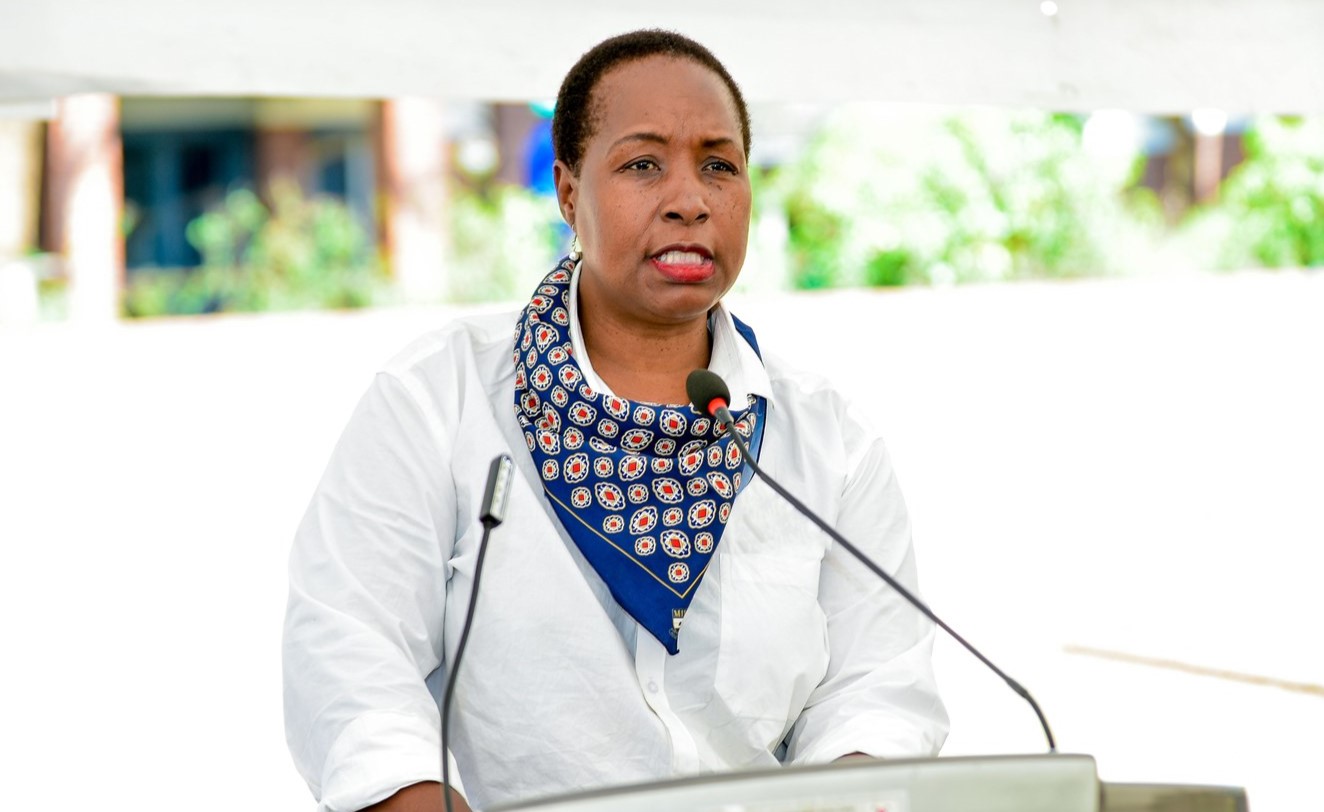
MCP publicity secretary Jessie Kabwila confirmed that the party’s internal meetings are ongoing but offered no clarity on leadership decisions, only stressing that the goal is to ensure Malawians are well represented.
“As the main opposition party, we are geared to play our oversight role in Parliament and ensure that the ruling party delivers on its promises,” Kabwila said. “Malawians don’t eat politics; they want results.”
But to many observers, those “results” begin with leadership — and time is fast running out.
While MCP stalls, other parties are swiftly consolidating their positions. The ruling DPP last week announced its parliamentary leadership team, with Patricia Wiskes appointed Chief Whip and Martha Munthali-Ngwira as her deputy.
The UTM Party — which secured eight seats — has also finalized its structure. Patricia Kaliati will lead the UTM bench, with Felix Njawala and Kenneth Ndovi serving as Chief Whip and Deputy Chief Whip respectively.
UTM leader Dalitso Kabambe said his party’s caucus marked “the beginning of a disciplined, strategic, and patriotic approach to governance.”
“We are the government in waiting,” Kabambe declared. “Let our actions reflect that reality.”
MCP’s prolonged silence on parliamentary leadership has triggered murmurs both inside and outside the party. Political analysts warn that the vacuum could weaken the opposition’s effectiveness from day one.
With Parliament scheduled to open on October 31, and the election of the Speaker and Deputy Speakers set for October 29, the absence of a clear MCP leader risks undermining the party’s coordination, message discipline, and negotiating power during critical early votes.
A senior political analyst, speaking on condition of anonymity, described the situation as “a leadership crisis disguised as consultation.”
“Opposition is not a place to mourn defeat; it’s a platform to rebuild credibility and reclaim trust,” the analyst said. “How can Malawians take MCP seriously when its own leadership can’t make firm, timely decisions on something as fundamental as parliamentary organization?”
According to the Malawi Electoral Commission’s parliamentary results, the DPP emerged with 78 seats, independents took 70, and MCP managed 53. The UTM, UDF, and smaller parties shared the remainder.
But with some independents already pledging allegiance to the DPP, the ruling party’s influence in the House is expected to grow — leaving MCP in a weaker position unless it unites quickly under decisive leadership.
Even as orientation for newly elected MPs continues in Lilongwe ahead of their swearing-in on October 27 and 28, MCP insiders admit the delay in naming a parliamentary leader has caused unease among members.
With political rivals already projecting unity and strategy, MCP’s indecision risks eroding public confidence and handing its opponents an early advantage.
For a party that once prided itself on discipline, organization, and leadership, the current uncertainty has become a striking contrast — and a sobering reminder that in politics, hesitation is often more damaging than defeat.
Follow and Subscribe Nyasa TV :