

Is Malawi Getting a Fair Deal from China’s Billions?
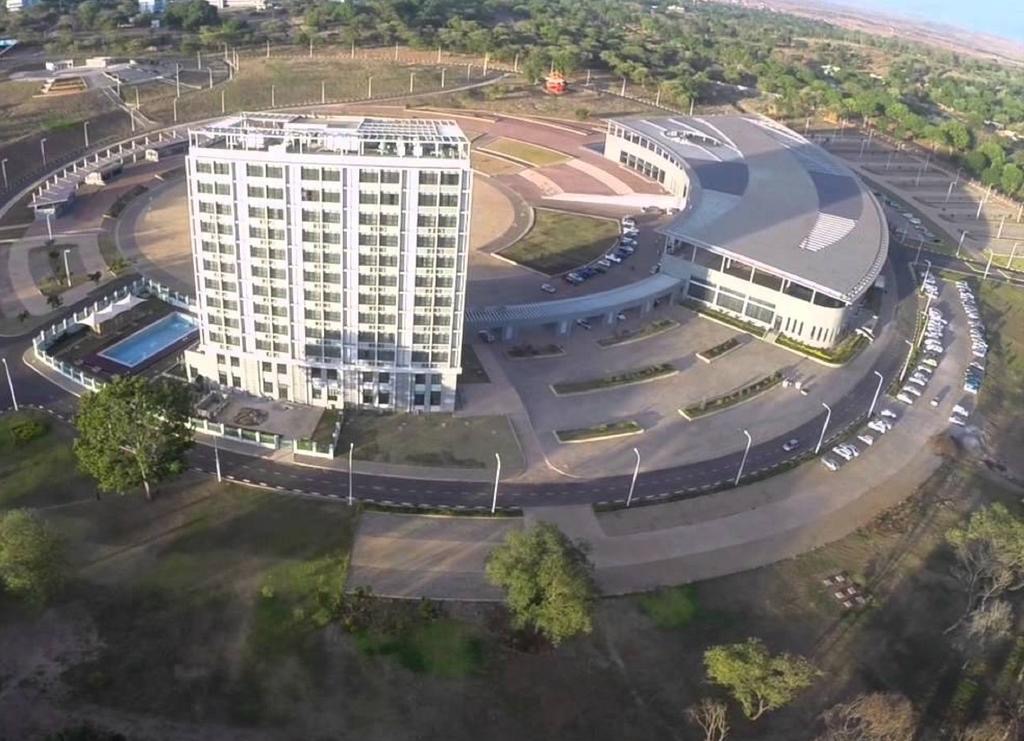
Between 2008 and 2012, China poured hundreds of millions of dollars into Malawi, funding some of the country’s most high-profile projects — from Parliament and the Bingu International Conference Centre to the Karonga–Chitipa Road and the Malawi University of Science and Technology.
On paper, the list looks impressive. In reality, questions linger about whether Malawi is truly getting value for money, or if the country is quietly sinking deeper into debt and dependency.
China’s assistance — a mix of grants, concessional loans, and investments — has come with visible infrastructure, but little transparency on the terms, costs, and long-term benefits.
Take the Parliament Building, built at USD 41 million and opened in 2010. It stands tall in Lilongwe’s City Centre, but the construction contract, the use of local labour, and long-term maintenance plans remain largely unknown. Similarly, the Bingu International Conference Centre and hotel, worth USD 90 million, was completed ahead of schedule in 2012, yet questions persist about who truly profits from its operations — Malawians or Chinese contractors?
The Karonga–Chitipa Road, valued at USD 70 million, has been under construction for years, with unclear timelines and rising costs. The Malawi University of Science and Technology (MUST) in Thyolo — a concessional loan project estimated at USD 70–80 million — remains a key symbol of progress, but also of debt. While the infrastructure shines, the repayment terms are rarely discussed in public.
China also provided USD 3 million worth of military equipment to the Malawi Defence Force and promised another USD 3 million, though the status of that pledge is unknown. Meanwhile, USD 65 million has gone into constructing a national stadium in Lilongwe — another loan-based project still in progress.
Even smaller projects such as the USD 300,000 furniture donation to the Ministry of Foreign Affairs and K200 million for a Thyolo secondary school are listed as “grants,” but with little evidence of local procurement or community involvement.
The pattern is familiar: China funds, designs, and constructs, often using its own labour and materials, while Malawi provides the land — and in many cases, shoulders the debt.
In contrast, investment projects like the Golden Peacock Hotel (USD 15 million) and the Balaka Cotton Plantation (USD 25–30 million) are run by Chinese companies or funds, meaning profits largely flow back to Beijing or private investors, not Malawian hands.
The result is a development paradox: Malawi gets modern buildings and roads, but limited local empowerment, weak technology transfer, and growing repayment obligations.
Critics argue that while Chinese assistance fills urgent infrastructure gaps left by Western donors, it also locks Malawi into dependency, as projects are driven by Chinese priorities, not national development strategies.
The question Malawians must now ask is simple but profound: Are we being helped — or are we being trapped in a new form of economic dependency disguised as friendship?
Follow and Subscribe Nyasa TV :