

MBC, The Nation give UTM’s Kabambe blackout on his address
Despite being widely covered elsewhere, public broadcaster MBC and privately-owned daily newspaper The Nation have given UTM Party leader Dr Dalitso Kabambe no coverage of his sharp critique of the Democratic Progressive Party (DPP), delivered one year after Malawians elected it into office.
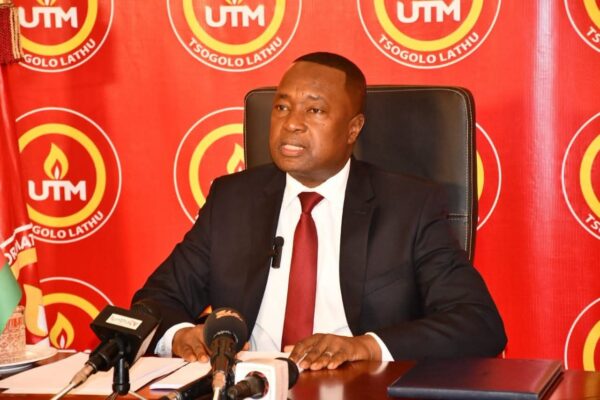
Kabambe’s address on Wednesday was widely covered in the local media, but MBC ignored it across all its platforms, while The Nation also shunned coverage of the speech.
On Thursday, The Daily Times newspaper’s lead story was on Kabambe, headlined “Kabambe takes on govt,” detailing his assessment of the DPP’s first year in power.
But The Nation gave the address no attention in its Thursday edition, raising suspicion over its editorial independence, with some likening the blackout to the kind of control MBC is seen to operate under as a state-captured broadcaster.
On Kabambe’s address, the dominant question is not whether government has solved every challenge it inherited, but whether it has convinced citizens that the country is moving in the right direction.
In a sharply critical assessment, the UTM leader argues that the administration has failed its first major test.
His critique spans governance, corruption, economic management and public service delivery, portraying a government that has yet to deliver the change voters expected.
The speech taps into a broader public frustration. Many of the concerns that defined the election campaign remain in place: high living costs, foreign exchange shortages, intermittent fuel supplies, blackouts and rising unemployment. For many households, economic hardship remains the defining reality of daily life.
Kabambe’s most forceful criticism centres on corruption. He cites a string of allegations involving public institutions and procurement contracts, arguing that accountability mechanisms have been weakened rather than strengthened.
Whether the allegations are substantiated is a matter for investigators, but the persistence of such claims underscores continuing public concerns about transparency in government.
Beyond corruption, the speech raises questions about constitutional governance, including the alleged marginalisation of the Vice-President and tensions within state institutions. At a time of economic strain, political stability and public confidence in institutions are increasingly important.
The critique also revives a familiar debate about patronage and meritocracy. Successive administrations have promised professional public service appointments, yet accusations of nepotism, cronyism and tribalism continue to surface regardless of who holds power.
Economically, the DPP faces perhaps its greatest challenge. Citizens judge governments less by policy pronouncements than by what they experience at market stalls, fuel stations, schools and hospitals.
Rising prices, expensive farm inputs and pressure on businesses have made it difficult for many voters to see evidence of meaningful improvement.
Still, one year is not a final verdict. The DPP has four years remaining to demonstrate that its policies can deliver results. But first years matter because they establish priorities, leadership style and public trust.
For now, the government finds itself confronting a simple political reality: voters who demanded change are waiting to see whether that promise will be fulfilled.
The ultimate judgement will not come from opposition speeches or official statements, but from ordinary Malawians asking whether life today is better than it was twelve months ago.
Follow and Subscribe Nyasa TV :