

UNICEF warns of strongest El Niño on record as $5.54 million gap threatens Malawi’s children
The United Nations Children’s Fund (UNICEF) has called for urgent, flexible funding to protect children in Malawi from what it describes as the strongest El Niño on record, warning that a shortfall of $5.54 million is threatening preparedness.
In a press statement issued on Tuesday, November 3, 2026, UNICEF said forecasters expect erratic rains, long dry spells and local flooding between October 2026 and March 2027. Some 2.6 million people in Malawi already face crisis levels of hunger, and there is a risk that cholera could return.
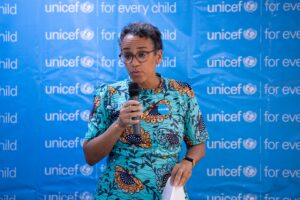
UNICEF Representative in Malawi Dr Penelope Campbell said the crisis could be seen coming, and acting now would save lives and money. “If we act now, we can screen and treat children for malnutrition, keep water safe and keep children learning, before roads are cut off and before needs peak,” she said.
Campbell said El Niño threatens to worsen hunger, floods and cholera, with children and women hardest hit. Poor diets could lead to more severe malnutrition among young children, while drought and floods could push families to unsafe water sources. Damaged schools could stop learning for weeks and raise the risk of violence, exploitation, child labour and early marriage.
Under a severe drought scenario, UNICEF says up to 6 million more people could need humanitarian help by the 2028 lean season.
The agency is supporting the government’s 2026/27 National El Niño Preparedness Plan, led by the Department of Disaster Management Affairs. It aims to reach 958,172 people directly in nine high-risk districts: Balaka, Blantyre, Chikwawa, Machinga, Mulanje, Mwanza, Nkhotakota, Nsanje and Phalombe.
The plan includes screening 571,323 young children for malnutrition, treating 17,831 children with severe malnutrition, providing safe water to 460,000 people, supporting 119,309 people with cholera response and basic healthcare, running temporary learning spaces for 20,000 children, and offering mental health support to 30,000 children, adolescents and caregivers.
Some supplies are already stored in warehouses in Lilongwe, Blantyre and Bangula, UNICEF said.
The agency needs $7.61 million for its preparedness and response plan from August 2026 to March 2027, but has only $2.07 million, leaving a gap of $5.54 million, or 73 per cent of the plan. Campbell said that acting early offered better value. “Every $1 spent on reducing disaster risk saves up to $15 in recovery costs,” she said. “Flexible support now lets us prevent harm, not just respond to it.”
The source says the effects of El Niño can take around 18 months to unfold.
Follow and Subscribe Nyasa TV :