

Birth-control policy vital to manage population — Malawi Parliament
Malawi Parliament wants the country to start pursuing policies intended to slow population growth by embarking on family planning methods such as reducing childbearing in order to manage the population which has grown tremendously to 17 million.
The country’s population could hit 30 million by 2030, reports suggest.
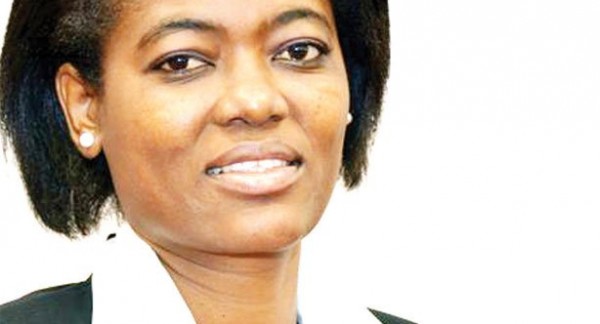
Chairperson of the Parliamentary Committee on Health, Juliana Lunguzi, said government and other stakeholders should work hard in managing the country’s population.
“The current situation on population management is unstatainable and we want organisations to streamline population manaegement in their projects like Results-Based Financiang for bMaternal and Neonatal Health (RBF4MNH) has done,” said Lunguzi.
She was speaking at Kalumba Village in Traditional Authority (T/A) Makwangwala in Ntcheu .
For reducing child births, Lunguzi said with support from RBF4MNH, they are taking Parliament to the village to persuade people on the importance of having smaller and manageable familes.
It’s also girls’ education and women’s rights — starting with an end to child marriages — for educated women mostly have fewer children.
Family planning is morally laudable because of its contribution to family well-being, women’s health, and the prevention of abortion.
Commentator Alick Nyasulu argues that a rapidly rising population will impact negatively to economic growth.
“It will need more food and, hence more land It will need more health facilities and the health system will need to cope with it. An increasing demand of health services does not only mean a huge health budget but an education budget to training more health workers like doctors, nurses and midwives and so on. It also means that training institutions must expand their capacity and introduce more programmes than they do at the moment.
“It is not just the social services like health and education that will need to rise but energy and housing. It could be the right time to set a framework that ensures many Malawians, especially in the rural areas are connected to the national grid. Frameworks that deliberately increase generating capacity of electricity more than we need should be a guiding philosophy,” comments Nyasulu.
He states that population threat is real and has many consequences on sustainable growth.
“Sustainable growth also entails that our environment is protected to minimise natural calamities. Demand for housing might as well mean destruction of the environment through cutting of trees for timber or bricks. We got to think through all this. It might also mean demand for more fuel wood if electricity is not accessible to many or it is unreliable,” Nyasulu pointed out.
If you think family planning is expensive, you haven’t priced babies.
Follow and Subscribe Nyasa TV :