

Malawi unveils K100 billion maize reserve plan as government moves to pre-empt El Niño food crisis
The Malawi government has allocated K100 billion to the National Food Reserve Agency (NFRA) to procure additional maize, in a significant escalation of its preparations for a food crisis anticipated as a result of the El Niño weather phenomenon.
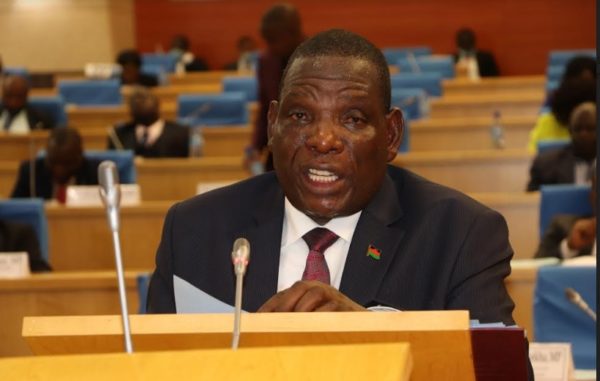
The allocation was announced in Parliament on Monday by the Minister of Finance, Joseph Mwanamvekha, who told MPs that the funding forms part of a wider contingency strategy intended to shield vulnerable households from food shortages linked to the expected weather event.
Responding to concerns raised by members of Parliament over the adequacy of the country’s preparations, Mwanamvekha insisted that government was acting well ahead of any potential crisis, rather than waiting for conditions to worsen.
“Government has allocated K100 billion to NFRA to procure additional maize as part of our contingency measures in preparation for the anticipated effects of El Niño,” he told the House.
The minister said the funds would allow NFRA to purchase further stocks of maize and build up strategic reserves sufficient to support emergency interventions, should crop production be hit by adverse weather.
NFRA, he noted, already holds maize in its silos and has identified prospective suppliers from whom further grain will be procured using the new allocation.
The aim, according to Mwanamvekha, is to ensure the country has food stocks that can be deployed rapidly should communities be affected by shortages during the anticipated lean season.
The Finance Minister also used his address to set out the distinct responsibilities of NFRA and the Agricultural Development and Marketing Corporation (ADMARC) in safeguarding food security.
NFRA, he explained, is tasked with maintaining strategic grain reserves and distributing maize free of charge during humanitarian emergencies, whereas ADMARC’s role is to sell maize to the public through its network of markets.
Dismissing suggestions that the government had been slow to act, Mwanamvekha maintained that ministers were implementing preventive measures rather than reacting belatedly to a deteriorating situation.
He told MPs that government would continue to monitor weather forecasts and food security indicators closely, with further interventions to be introduced as required to ensure food availability throughout the lean period.
The announcement comes as Malawi, in common with several of its neighbours across Southern Africa, remains on alert over the possible consequences of El Niño, a phenomenon associated with below-normal rainfall across parts of the region and one capable of significantly reducing agricultural output in the absence of adequate mitigation measures.
With the K100 billion procurement plan now in place, the government says it is reinforcing national preparedness and putting the country in a stronger position to respond swiftly should food security challenges materialise in the months ahead.
Follow and Subscribe Nyasa TV :