

FDH Bank commits K1bn to widen access to higher education in Malawi
FDH Bank has pledged K1bn to Malawi’s Higher Education Students’ Loans and Grants Board (HESLGB), in one of the largest private-sector interventions yet aimed at expanding access to university education for financially disadvantaged students.
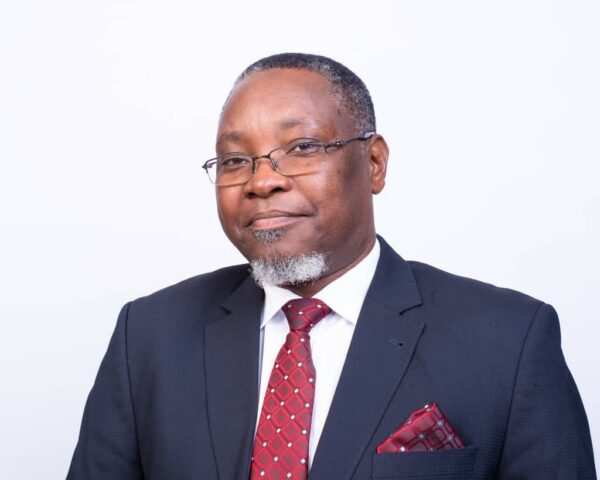
The commitment is expected to support approximately 154 students annually who would otherwise struggle to meet tuition and related costs.
Noel Mkulichi, managing director of FDH Bank, said the funding reflected the bank’s view of education as a long-term investment rather than a conventional corporate social responsibility initiative.
“We recognise that students are our customers, and by supporting their education today, we are helping develop the professionals and business leaders who will contribute to Malawi’s economic growth tomorrow,” he said.
Mkulichi added that developing human capital was central to building a more productive workforce and sustaining broader economic growth.
Dr Patrick Mphepo, acting executive director of HESLGB, said the funding would help address a widening gap between demand for higher education financing and available government resources.
“Government funding alone is insufficient to meet the growing demand for student loans,” he said.
Mphepo said the board was actively pursuing partnerships with banks and other private-sector institutions to diversify its funding base, describing such collaboration as essential to expanding higher education access and developing the skilled workforce Malawi needs for national development.
The intervention comes as the cost of tertiary education remains a significant barrier for many households, particularly those with lower incomes, for whom access to loans and grants can determine whether a student progresses to university or exits the education system after secondary school.
For FDH Bank, the commitment represents a strategic wager on Malawi’s future workforce and customer base, linking financial-sector capital directly to human-capital development.
For HESLGB, it offers a model for how private financing can supplement constrained public resources.
The board said it intends to build on the partnership as it seeks further funding to meet rising demand from students nationwide, with the FDH Bank commitment expected to benefit several hundred students over the coming years.
Follow and Subscribe Nyasa TV :