

APM’s Victory: A Protest Vote Against Chakwera’s Failures
Peter Mutharika’s stunning return to State House was less about his political brilliance and more about Malawians’ outright rejection of President Lazarus Chakwera’s troubled administration.
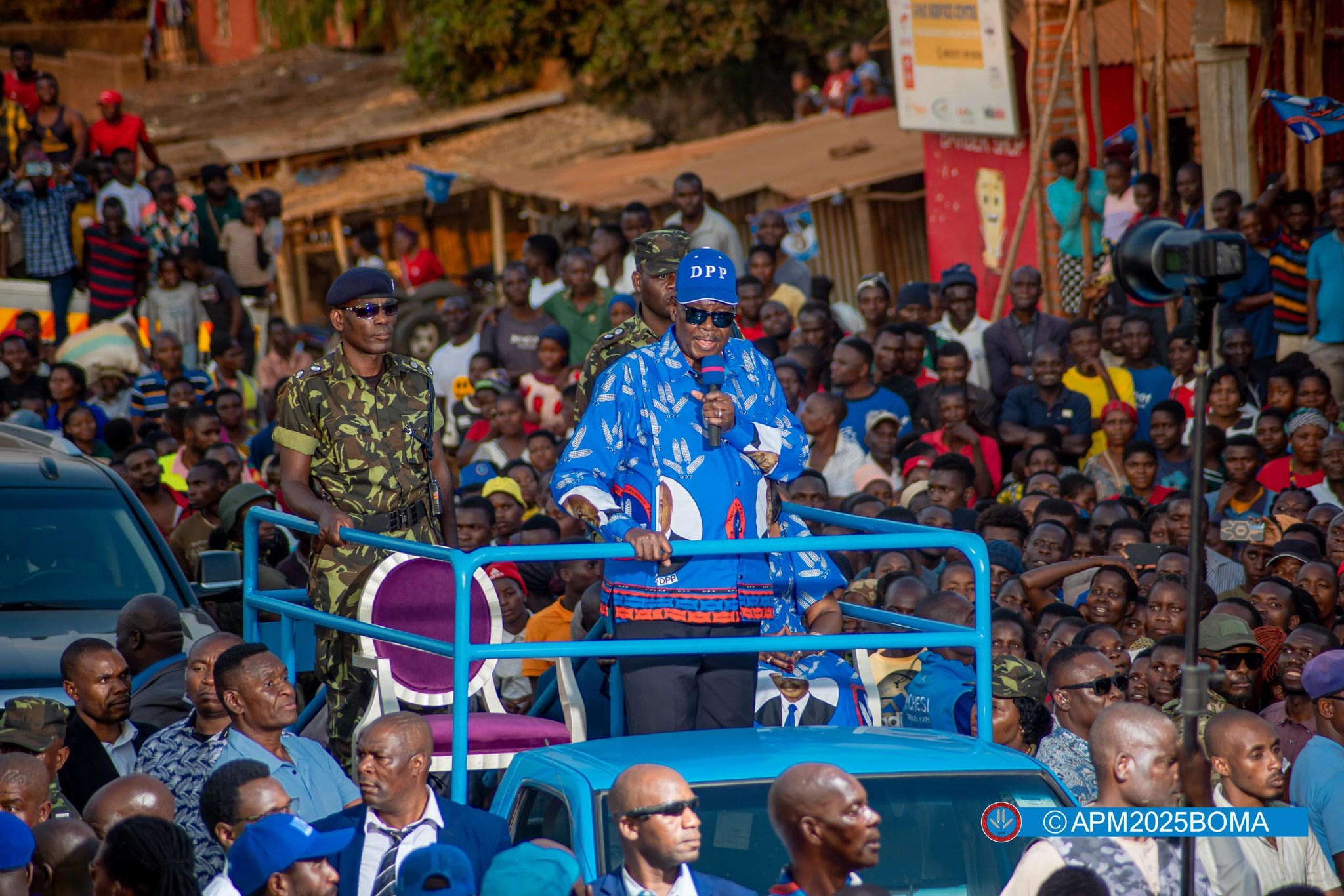
Analysts say the September 16 2025 presidential election, which saw Mutharika trounce Chakwera by over 1.2 million votes, was a referendum on broken promises, corruption scandals, and economic collapse under the Malawi Congress Party (MCP).
Mutharika, 85, barely campaigned—holding just 17 whistle-stop tours compared to Chakwera’s 421—yet secured 56.8 percent of the national vote in a 17-candidate race. To many observers, the outcome was not an endorsement of the Democratic Progressive Party (DPP) leader’s policies, but rather a punishment of Chakwera’s leadership.
University of Malawi political scientist Professor Boniface Dulani said MCP “handed Mutharika victory on a silver platter” through indecision, regionalism, and a series of governance blunders.
“Malawians voted en masse against Chakwera rather than endorsing Mutharika. This was a full-throated rejection of a government that promised a million jobs, cheap fertilizer, and a fight against corruption—but delivered the opposite,” Dulani said.
The list of failures, analysts argue, was long: the fertilizer scandal involving a butchery, botched passport contracts, a collapsed Romania fertilizer deal, fuel and forex shortages, and relentless inflation that shredded household budgets.
Political analyst George Phiri called it a “protest vote,” saying citizens compared life under Mutharika with life under Chakwera and chose to fire the MCP leader. “They wanted to show Chakwera and his party who the real boss is. Mutharika benefitted from that anger,” Phiri said.
Another analyst, Chimwemwe Tsitsi, said Malawians were desperate for change and saw Mutharika as the only viable alternative. “This was less about love for APM and more about survival. The economy dominated the election, and DPP sold itself as the only route back to stability,” he noted.
Ironically, in 2020 Malawians voted Mutharika out for similar reasons—corruption, nepotism, and poor governance. Five years later, the pendulum has swung back, with voters betting that even a recycled leader is better than a government of excuses.
Mutharika is expected to be sworn in within 30 days, inheriting a country burdened by debt, inflation, and shattered public trust. His greatest challenge now: proving that Malawians did not just vote against Chakwera, but for something better.
Follow and Subscribe Nyasa TV :