

DoDMA pushes anticipatory approach in disaster management
The Department of Disaster Management Affairs (DoDMA) has reaffirmed its commitment to strengthening anticipatory approaches in Malawi’s disaster preparedness and response systems.
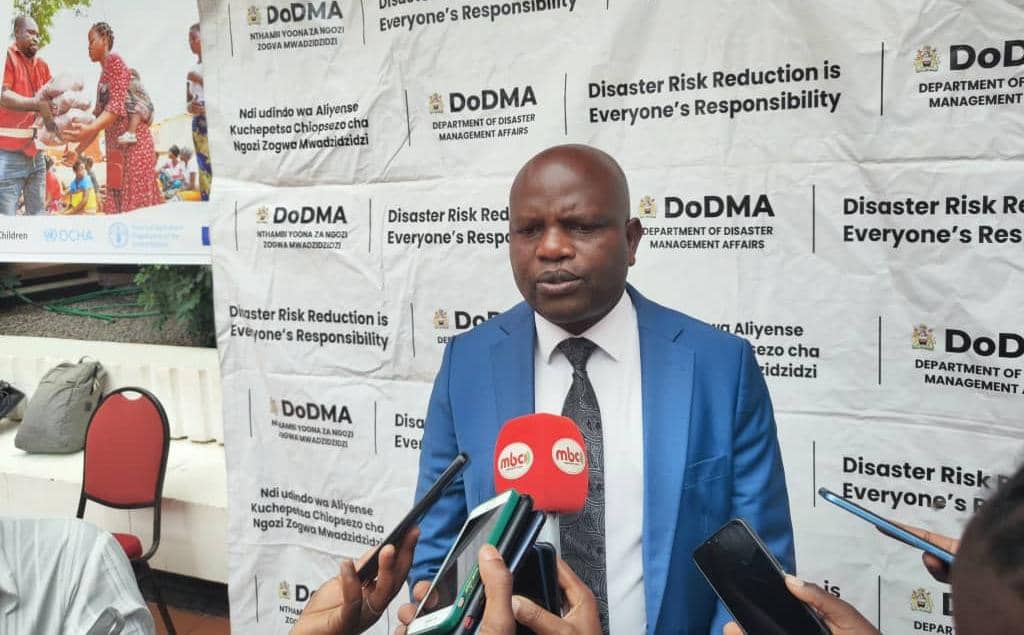
Commissioner for Disaster Management, Wilson Moleni, made the remarks in Lilongwe during the third National Dialogue Platform on Anticipatory Action.
Moleni said the two-day workshop is crucial as it emphasises proactive planning, early warning systems and preparedness measures aimed at reducing the impact of disasters before they strike.
He said this includes sensitising communities, raising awareness, and pre-positioning resources to ensure faster and more effective response.
Moleni said Tropical Cyclone Freddy and other recent cyclones taught Malawi “painful but important lessons,” noting that the unprecedented loss of lives and extensive damage could have been significantly minimised if stronger anticipatory actions had been in place.
The Commissioner highlighted that substantial resources—both financial and material—were spent during the Cyclone Freddy response.
“These resources could have easily been saved if anticipatory initiatives had been implemented,” he said.
Moleni added that DoDMA is intensifying early action by informing people in high-risk areas, such as flood-prone zones, and encouraging relocation before disasters occur.
He also pointed to the need for stronger housing and resilient infrastructure to reduce damage during extreme weather events. A major challenge, he said, is that most resources continue to be directed toward disaster response rather than anticipatory planning and preparedness.
He stressed that anticipatory action requires significant investment, and government alone cannot meet the demand. He called on partners to support Malawi’s disaster preparedness roadmap, noting that a dedicated fund was created under the Disaster Risk Management Act of 2023 and is being prepared for activation to attract contributions from government and donors.
Speaking to the media, Malawi Red Cross Society Director of Programmes, Leonard Maganga, said the meeting is vital as it brings together experts from academia, humanitarian organisations and the United Nations to review progress and strategise future anticipatory action efforts.
He said the platform fills a long-standing gap, as there has been no dedicated space to coordinate and reflect on preparedness initiatives.
Maganga added that preparedness this year has been strengthened through an insurance policy under Africa Risk Capacity, covering 53,000 households in Phalombe. The policy will provide payouts in the event of floods, enabling immediate assistance to affected communities.
Follow and Subscribe Nyasa TV :