

Fuel Price Hike Pushes Minibus Fares Beyond Reach as Malawians Struggle Under Rising Costs
Malawians are reeling under the weight of yet another wave of price hikes after the Malawi Energy Regulatory Authority (Mera) announced a sharp increase in fuel pump prices this week. Less than 24 hours after the adjustment, minibus operators across the country wasted no time in raising passenger fares, deepening the cost-of-living crisis.
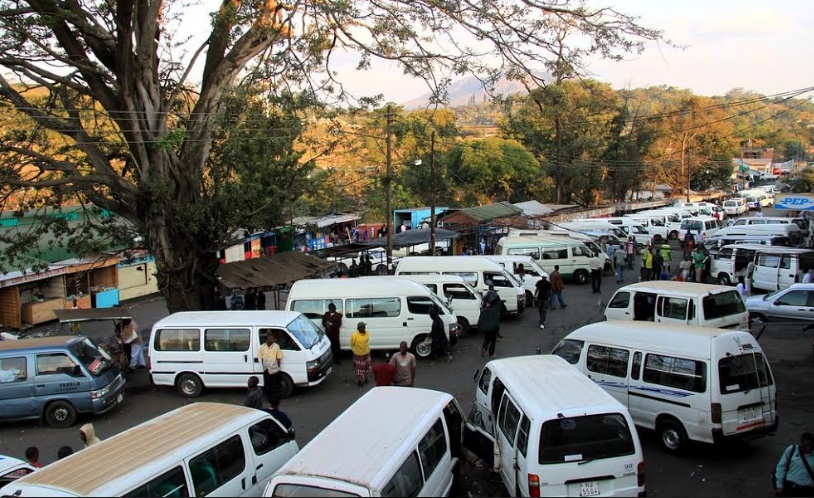
On Tuesday, Mera hiked fuel prices by a staggering 38 percent, with petrol now selling at K3,449 per litre, up from K2,530, while diesel has jumped from K2,734 to K3,500 per litre.
Spot checks conducted yesterday in Lilongwe and Blantyre confirmed that commuters are already paying heavily for the new fuel prices.
In Lilongwe, fares have soared dramatically. The journey from Town to Area 25 has jumped from K1,500 to K2,500, while Area 23 via Wex to Shoprite now costs K2,000, up from K1,500. Similarly, the trip from Area 23 to Town is up by 50 percent, rising from K1,000 to K1,500.
Blantyre has not been spared. Passengers traveling from Chilomoni Main Market to the central business district are now paying K1,000 instead of K700, with other routes in the township registering a K300 average increase. In Machinjiri, fares have also risen sharply, adding to the growing public frustration.
Minibus driver Evans Maleka admitted operators had little choice but to pass on the costs to passengers. “We have already started buying fuel at K3,449. If we don’t raise fares, we make losses. But the problem is that customers are refusing to pay, which creates conflicts,” he said.
For passengers, however, the burden is unbearable. “The fare increase is not justifiable. From K1,500 to K2,500? That’s more than what many of us earn in a day. We can’t manage,” lamented Evans Banda, a commuter from Area 25. He urged the Minibus Association of Malawi (Mam) to intervene and push for reasonable fares.
Mam Secretary General Coxley Kamange expressed disappointment with Mera’s drastic decision, saying commuters and operators alike are victims of poor regulation. “In the past, adjustments were between 5 to 15 percent, but this 38 percent hike is unprecedented and excessive. Mera should have implemented a gradual increase to cushion Malawians,” he said.
Kamange further advised operators to remain cautious when adjusting fares, warning them not to exceed the 38 percent threshold set by the fuel price hike.
Meanwhile, consumer rights groups have blasted the government and Mera for what they describe as negligence towards the plight of ordinary Malawians. With salaries stagnant and inflation already pushing food and basic goods out of reach, the fuel and fare hikes are seen as a direct assault on the survival of the poorest citizens.
For many, this latest development is proof that life under the current economic regime remains an unrelenting struggle. From food to transport, every service Malawians depend on is rising sharply, leaving citizens to suffer under the yoke of rising prices with no relief in sight.
Follow and Subscribe Nyasa TV :