

9 in 10 Malawians shut out of bank loans because they work in ‘shadow economy’ — economist
Millions of hardworking Malawians and small business owners are being frozen out of formal bank loans simply because of HOW they earn their living, a leading economist has warned.
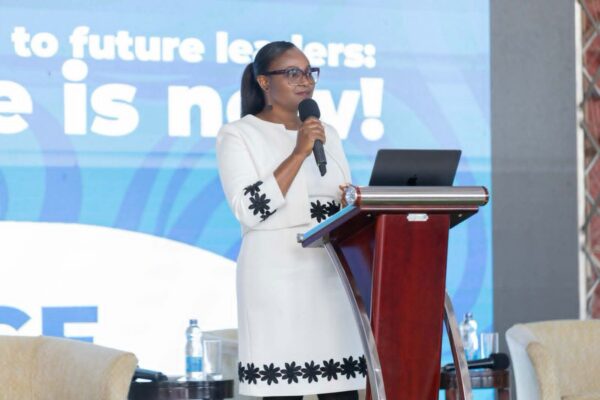
Dr Bertha Bangala Chikadza, President of the Economic Association of Malawi (ECAMA) and a senior macroeconomics lecturer at the University of Malawi, revealed that an eye-watering 92.6 percent of the country’s population works in the informal sector — making it virtually impossible for banks to verify their income or work out how risky they are to lend to.
“Formal credit remains difficult for many Malawians to access largely because 92.6 percent of the population is employed in the informal sector,” she said, citing figures from the International Labour Organisation.
Small and Medium Enterprises (SMEs) are suffering the same fate, Chikadza warned, as many operate without the financial paperwork or assets that lenders demand.
She said sky-high interest rates were making things even worse — piling extra costs onto borrowing and scaring small businesses away from taking out loans to invest and grow.
“Usually, loans taken for investment purposes take long to materialise, leaving borrowers exposed to repayment obligations before the investments start generating income,” she explained.
And it doesn’t stop there — Chikadza said strict collateral rules are shutting out people and households who could easily afford to repay a loan, but simply don’t have enough assets to put up as security.
On a brighter note, Chikadza said Malawi has made real strides in expanding access to financial services — particularly through the boom in mobile money and digital banking.
But she issued a stark warning against complacency: true financial inclusion means far more than just owning a mobile wallet or bank account.
“It is important that financial inclusion goes beyond simply holding a bank account or mobile wallet. It should also mean having access to financial products, including affordable credit,” she said.
Chikadza is now calling for a major expansion of credit guarantee schemes and other risk-sharing tools, which would allow banks to lend to people who don’t have traditional collateral but can genuinely afford to pay the money back.
She also urged banks to get smarter about how they assess borrowers — using transaction histories and digital financial records instead of relying purely on paperwork, especially for smaller loans.
“These changes could widen the pool of creditworthy borrowers who are currently excluded,” she said.
Her comments come as the Reserve Bank of Malawi continues to push hard for greater financial inclusion, in a bid to bring more ordinary Malawians into the formal financial system.
Follow and Subscribe Nyasa TV :