

Sauka wrote Malawi’s anthem — six decades later, nothing bears his name
Michael Frederick Sauka composed the national anthem that has opened every state occasion for six decades. Yet his grave went unattended for years, and no public building bears his name. Human rights advocate Undule Mwakasungula wants that to change.
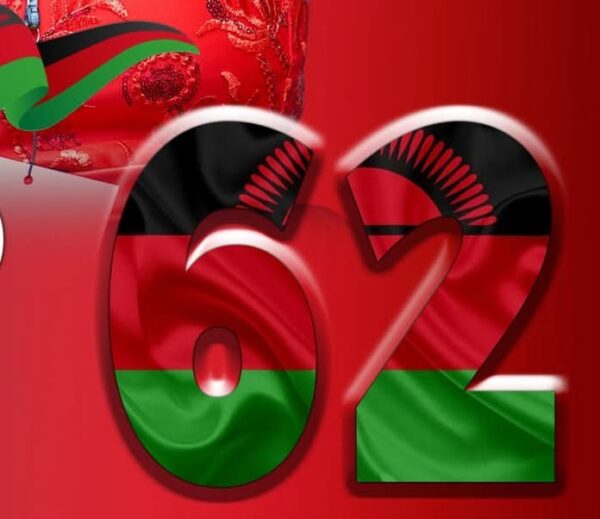
As Malawi marks 62 years of independence — quietly this year, with no state celebrations amid an economic crisis — a human rights advocate is asking an uncomfortable question: why has the man who gave the country its national anthem been so comprehensively forgotten?
Michael Frederick Sauka composed the Malawian national anthem before dying in 1964, the very year his country gained independence. His composition has been performed at every major state function since, heard by generations of Malawians at moments of national pride and collective identity. Yet his grave at Limbe Cathedral went unattended for years, and no road, airport, market or public building has been named in his honour.
Undule Mwakasungula, a prominent human rights and good governance advocate, finds this scandalous.
Speaking ahead of this year’s Independence Day commemorations on 6 July, he described Sauka as one of Malawi’s forgotten national heroes — a man whose contribution to the country’s identity has endured far longer than those of many politicians whose names adorn the country’s roads and public infrastructure.
“Successive governments have continued naming roads and other public infrastructure after politicians while overlooking individuals who made outstanding contributions to Malawi’s development,” Mwakasungula said. Sauka, he argued, deserves far better.
Mwakasungula’s concern is not merely rhetorical. In 2011, alarmed by the state of Sauka’s grave, he worked with the late Raph Kasambala to fund and construct a tombstone at the site — a private act of remembrance that he believes should have been the responsibility of the state.
Now he is calling on the government to go further: to name a significant public facility after Sauka, so that future generations might understand who composed the anthem they sing and what he gave to the nation.
A road, an airport, a market — Mwakasungula is not prescriptive about the form, only insistent about the principle.
The timing of his appeal is deliberate. Independence Day, he argues, should not only be a moment to celebrate the politicians who negotiated freedom, but to recognise all those whose contributions helped shape the nation — including a musician whose melody has outlasted almost everything else from that era.
This year, with official celebrations cancelled on grounds of austerity, the day will pass more quietly than usual. Whether it will also pass with Sauka still unrecognised — his grave tended only through private initiative, his name absent from the map of a country he helped define — remains to be seen.
Follow and Subscribe Nyasa TV :