

62 Years on: Is Malawi truly free? Prof Gadama says NO!
As Malawi marks 62 years of independence, the usual celebrations are colliding with a sobering national conversation: Can a country truly call itself free when millions of its people remain trapped in poverty?
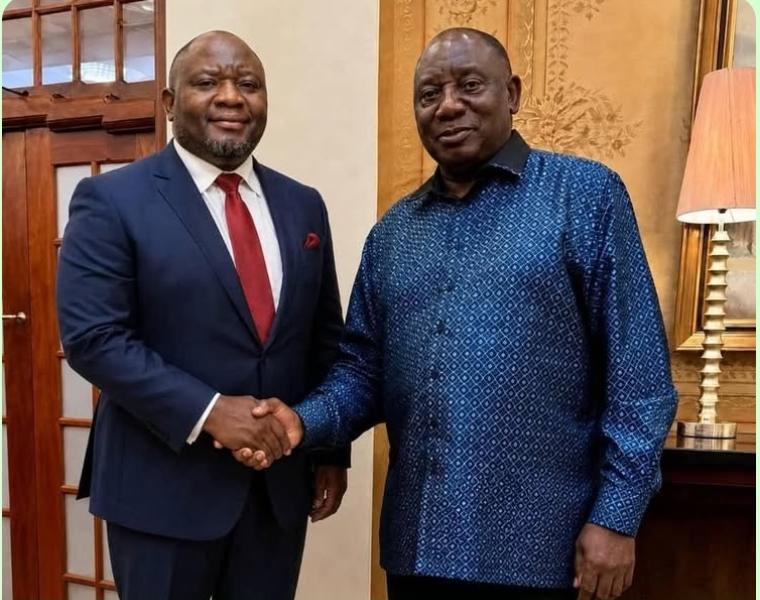
While the nation reflects on the sacrifices that secured political freedom in 1964, political, economic and governance scholar Professor Paul Aaron Gadama argues that the unfinished struggle is no longer about colonial rule—it is about economic liberation.
“Political independence without economic independence remains incomplete,” Gadama said.
His remarks strike at the heart of a growing debate over whether Malawi’s independence has translated into meaningful improvements in the lives of ordinary citizens.
According to Gadama, genuine independence is measured not by flags, parades or speeches, but by whether a nation can feed its people, educate its children, create jobs for its youth and transform its natural wealth into shared prosperity.
He argues that Malawi continues to fall short on all these fronts.
Despite being endowed with fertile soils, reliable rainfall and abundant mineral resources, Gadama says the country remains caught in a cycle of economic hardship—not because it lacks resources, but because it lacks effective leadership and sound policy direction.
“The problem is not what Malawi has,” he suggested. “The problem is how Malawi has managed what it has.”
He pointed to the country’s vast water resources as a symbol of missed opportunity. Every rainy season, billions of litres of water flow through Malawi’s rivers and out of the country, yet thousands of farmers remain dependent on increasingly unpredictable rainfall instead of modern irrigation systems.
To Gadama, this is not simply underdevelopment.
“It is economic negligence,” he argues.
He says the same pattern is evident in the mining sector, where valuable minerals continue to leave the country with little value added locally and limited benefit reaching ordinary Malawians.
According to him, Malawi is effectively exporting wealth while importing poverty, losing opportunities to earn foreign exchange, create industries, generate employment and strengthen the economy.
Looking back, Gadama recalled that during the 1970s, under the leadership of Dr. Hastings Kamuzu Banda, Malawi was regarded as one of Southern Africa’s more disciplined economies and even extended assistance to countries such as Ireland.
Today, however, he says the country faces a starkly different reality.
Persistent inflation, a weakening kwacha, rising unemployment, environmental degradation and sharply increased university tuition fees all point, in his view, to an economy under immense strain.
The recent doubling of public university tuition fees, he argues, reflects not only pressure on the education sector but also the broader weakening of the national economy.
For Gadama, these are not isolated challenges but symptoms of a nation that has yet to achieve the economic freedom promised by political independence.
He warns that if Malawi continues on its current trajectory, future generations may remember not the patriotic speeches delivered each Independence Day, but the painful reality that a country blessed with extraordinary potential failed to build a productive, self-reliant and prosperous economy.
As the nation celebrates its 62nd Independence Anniversary, Gadama says the greatest tribute to those who fought for freedom is not ceremonial celebration alone, but the courage to confront uncomfortable truths, demand accountable leadership and pursue bold economic reforms capable of restoring Malawi’s dignity and unlocking its vast potential.
For him, the next chapter of Malawi’s independence story will not be written by commemorations, but by whether the country finally wins the battle for economic freedom.
Follow and Subscribe Nyasa TV :