

Kabambe accuses Malawi government of ‘state-sponsored criminality’ over forex policy
Dalitso Kabambe, president of the opposition UTM party and a former governor of the Reserve Bank of Malawi, has accused the government of turning the country’s foreign exchange management into what he called “state-sponsored criminality,” arguing that a collapse in the balance of dollar supply and demand has fuelled the growth of parallel currency markets.
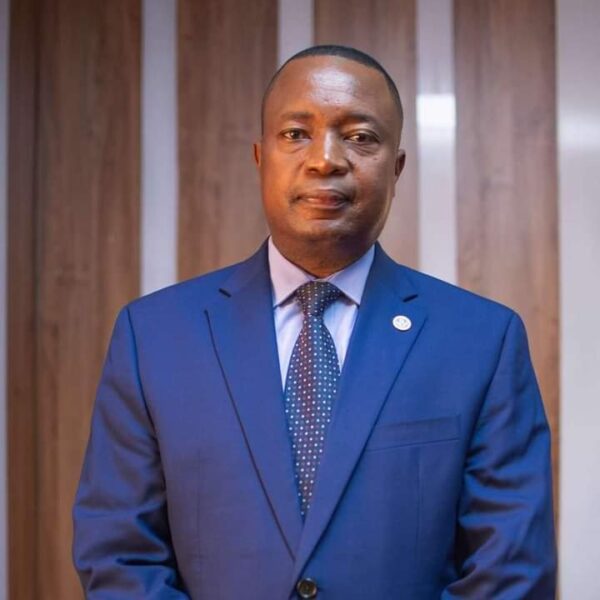
Speaking in an interview on Times Television on Saturday, Kabambe, who also previously served as budget director in the Ministry of Finance, said the fix for Malawi’s forex problems was not complicated.
“It does not need a rocket scientist to fix forex policy. I am wondering how the DPP is managing the economy now,” he said.
Kabambe argued that fiscal, exchange rate and monetary policy together form the basis for curbing hyperinflation and unwinding parallel markets, warning that the widening gap between food and non-food inflation required urgent attention from policymakers.
He was sharply critical of government spending, describing the state as the “biggest culprit” behind forex mismanagement, arguing that excessive expenditure has driven up demand for dollars.
He said the administration risked repeating past policy failures despite inheriting a favourable farming season, pointing to former president Bingu wa Mutharika’s earlier push to open 1,000 hectares of irrigated farmland as a template the current government had failed to build on.
On higher education, Kabambe said 90 per cent of public university students come from poor households that struggle to meet tuition costs, arguing that even the current fee of K600,000 represented a significant burden given Malawi’s economic conditions.
He cited unemployment as a particular concern, though the figure he gave — a 91 per cent unemployment rate — is considerably higher than official estimates and would warrant independent verification.
Kabambe also criticised the K88bn allocated to the Office of the President in the last fiscal budget as “exaggerative,” contrasting President Peter Mutharika’s more limited foreign travel with that of his predecessor, Lazarus Chakwera.