

Malawi hosts African education leaders to review progress on ending learning poverty
More than 600 education leaders, policymakers, researchers, development partners and practitioners from over 40 African countries will converge in Malawi this week for the 2026 Africa Foundational Learning Exchange (FLEX 2026).
The three-day conference opens on Wednesday, July 15, at the Bingu International Convention Centre (BICC) in Lilongwe. It marks the first continental gathering since 2024 to assess Africa’s collective progress towards ending learning poverty by 2035 and to adopt new strategies for accelerating foundational learning outcomes across the continent.
The conference comes at a time when Africa continues to grapple with a severe learning crisis. Current statistics show that nearly nine out of every 10 children in many African countries cannot read and understand a simple text by the age of 10—a challenge widely referred to as learning poverty.
The situation is further compounded by declining official development assistance (ODA) for education, tightening public finances, and increasing pressure on governments to demonstrate that investments in foundational learning are translating into improved classroom outcomes and contributing to broader national economic growth.
Organisers say the third edition of FLEX provides African countries with a structured platform to move beyond commitments and focus on measurable results, accountability, and the scaling up of proven solutions.
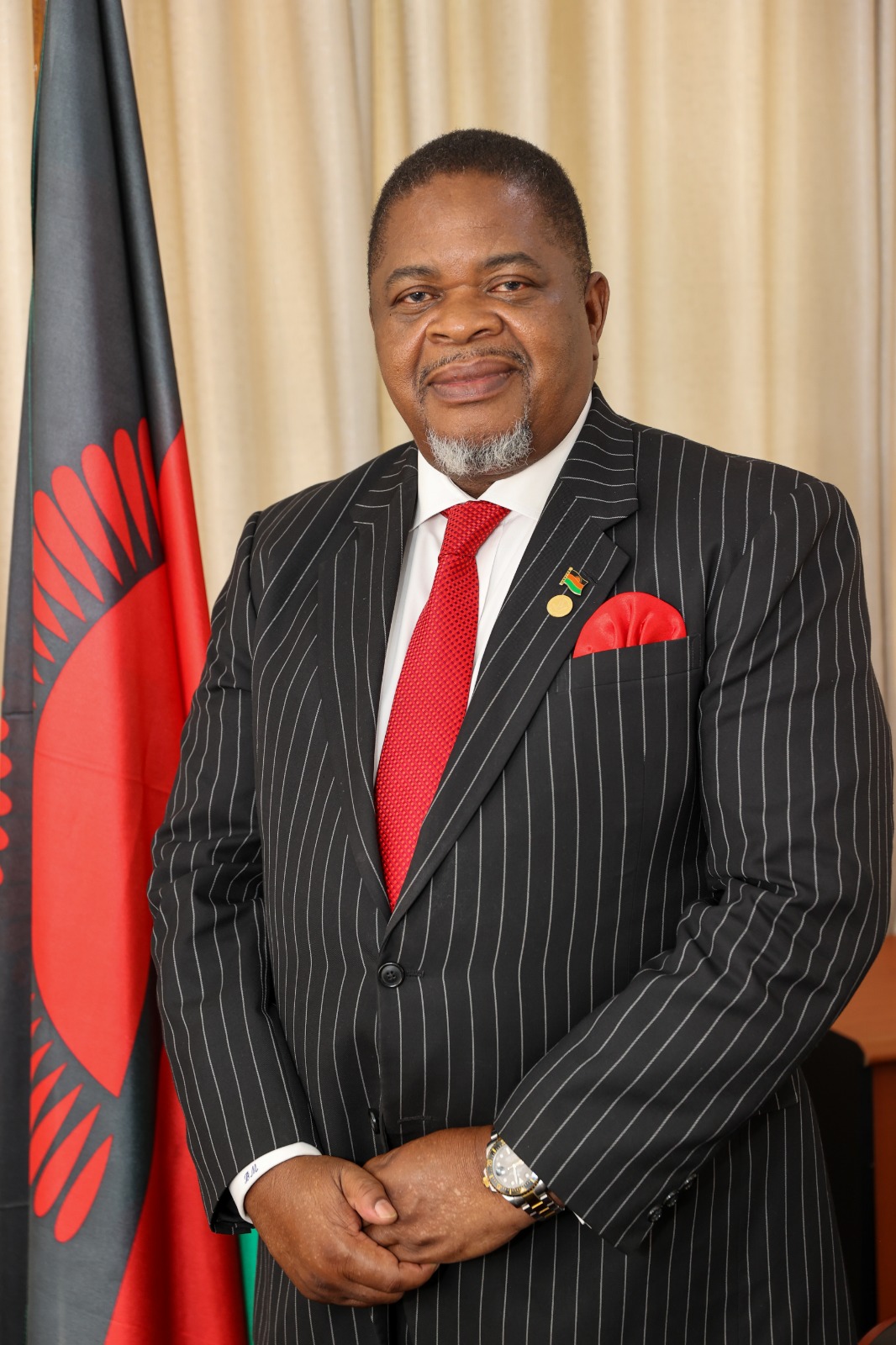
Minister of Education, Science and Technology Bright Msaka said Malawi is privileged to host the high-level gathering, describing it as an opportunity for African countries to learn from one another’s experiences.
“Malawi is honoured to host the Africa Foundational Learning Exchange, and we come to this moment not just as hosts but as participants who are doing the work,” Msaka said.
Throughout the three-day programme, delegates will take part in ministerial roundtable discussions, high-level plenary sessions, technical workshops, peer-learning exchanges, country spotlight presentations, school visits, and interactive exhibitions showcasing innovative policies, programmes, technologies and evidence-based approaches that are improving foundational learning across Africa.
The conference is expected to strengthen collaboration among African governments and education partners while generating practical recommendations to help countries accelerate progress towards ensuring every child acquires foundational literacy and numeracy skills by 2035.