

PCB Intensifies Stakeholder Training on Pesticide Registration and Importation
The Pesticides Control Board (PCB) has stepped up efforts to strengthen compliance with Malawi’s pesticide laws by rolling out stakeholder orientation programmes aimed at ensuring that only registered pesticides are imported, distributed and used in the country.
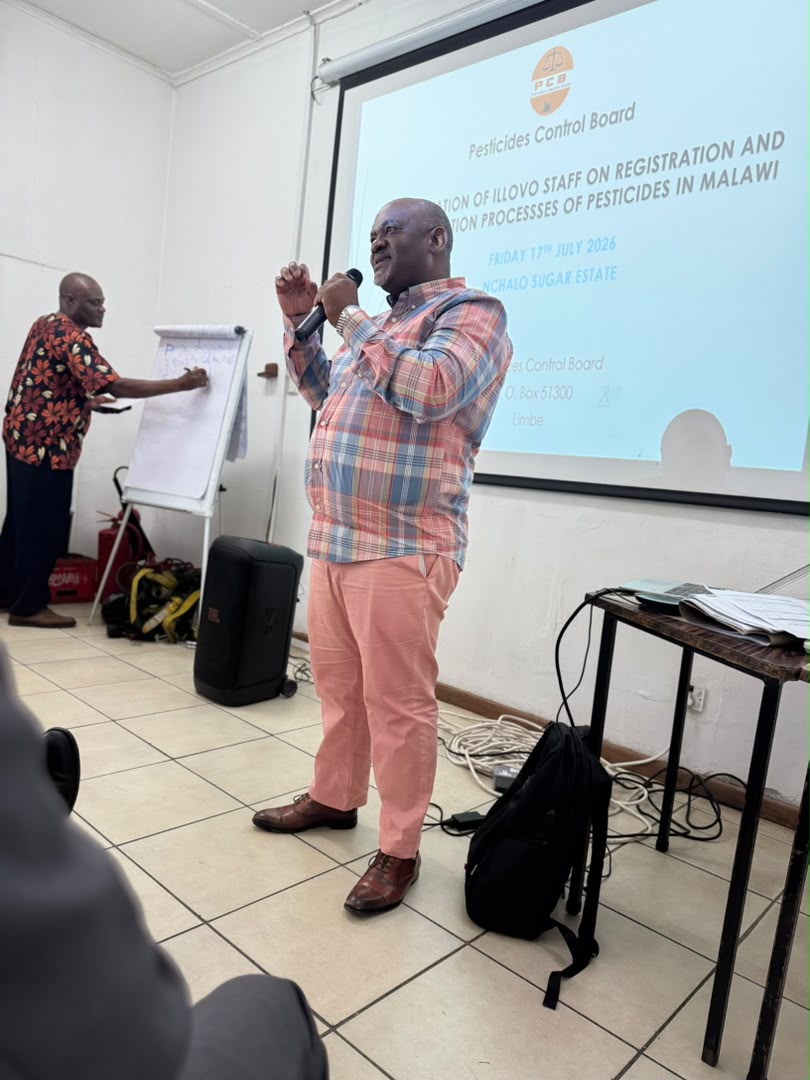
Speaking on Friday during an orientation session for Illovo Sugar Malawi staff at Nchalo Estate in Chikwawa, PCB Registrar James Kaphale said the initiative is part of the Board’s broader strategy to improve understanding of pesticide registration and importation procedures while safeguarding public health, the environment and agricultural productivity.
Kaphale said although pesticides are indispensable in supporting agricultural production—particularly export-oriented crops such as sugarcane—they can become a serious threat when improperly imported, handled, stored or disposed of.
“While pesticides contribute significantly to agriculture and economic growth, they can also pose serious risks to human health and the environment when misused or improperly handled.
“That is why Malawi has established a comprehensive legal and regulatory framework under the Pesticides Act to govern their importation, manufacture, distribution, storage, sale, use and disposal,” he said.
He said the Board has embarked on a campaign to engage key industry players through targeted training sessions to ensure they fully understand the legal requirements governing pesticide registration and importation.
Kaphale described Illovo Sugar Malawi as one of the country’s major importers and users of pesticides, saying the company’s commitment to the orientation demonstrates the private sector’s growing recognition of the importance of regulatory compliance.
During the orientation, participants were taken through procedures for pesticide registration, requirements for obtaining import permits, documentation needed for approval, compliance obligations for importers and post-registration responsibilities.
The PCB Registrar stressed that the Board’s priority is to ensure that only pesticides that have been duly assessed and registered enter the Malawian market.
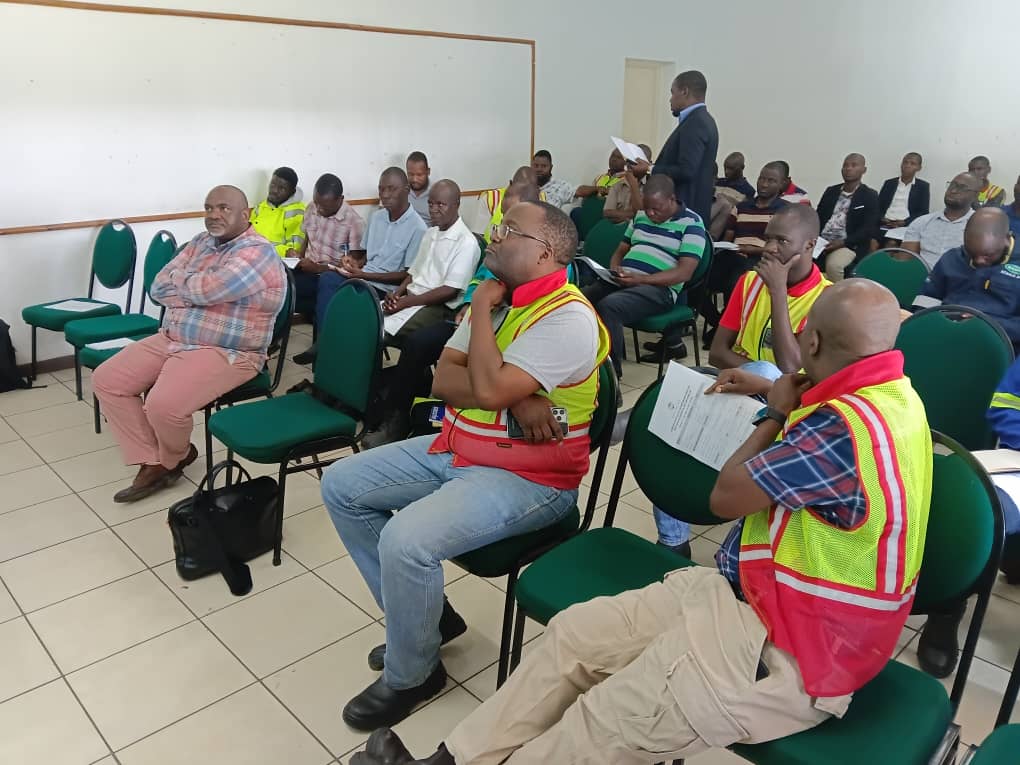
He said improving compliance is not only about enforcing the law but also about promoting responsible pesticide management that protects consumers, agricultural workers and ecosystems while enhancing the competitiveness of Malawi’s agricultural exports.
Kaphale further urged participants to actively engage during the training by sharing experiences and raising questions to improve their understanding of the regulatory processes.
He expressed confidence that the orientation would equip participants with practical knowledge to facilitate smooth, lawful and efficient importation and registration of pesticides.
The orientation forms part of the Pesticides Control Board’s ongoing stakeholder engagement programme aimed at strengthening regulatory compliance across Malawi’s agricultural sector as demand for safe and sustainable pesticide use continues to grow.
Follow and Subscribe Nyasa TV :