

Analysis: DPP marks one year in office – and the mood is… complicated
There’s a particular kind of political anniversary that tells you more about where a country’s politics is heading than the actual numbers do. And that’s what I think we’re looking at here.
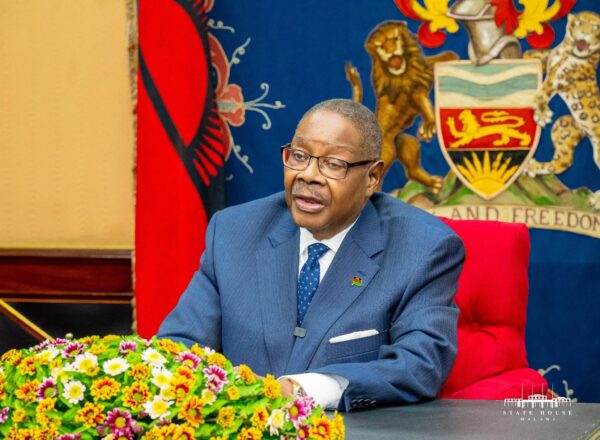
A year ago, Peter Mutharika’s DPP swept back into power. This week, reporters from the Daily Times went out across Malawi’s three regions to ask people a fairly simple question: how’s it going? And what they came back with wasn’t a story of triumph, and it wasn’t a story of disaster either. It was something messier – and, if I’m honest, rather more believable.
Talk to people in Dowa, and you get a version of politics that’s really about the basics. A farmer there told the paper, in effect: nobody’s gone hungry, maize has stayed roughly affordable, and in a country where food security is never a given, that counts as a genuine achievement rather than something to be taken for granted. It’s not a ringing endorsement. It’s relief. And in politics, relief can get you a surprisingly long way.
Head south to Blantyre and you hear something similar about the economy more broadly – the currency’s held up, inflation’s manageable, and those fuel queues everyone’s been grumbling about get waved off as one-offs rather than a symptom of something deeper. Again: not glowing, but not damning either.
Now, here’s where it gets interesting. In Mzuzu, alongside genuine praise for free secondary education, I’m told people are picking up on something else entirely – the increasingly public friction between President Mutharika and his deputy, Jane Ansah. She’s said, on the record, that she’s being frozen out of Cabinet. And what strikes me is that ordinary voters are noticing this too. That’s not a story confined to the corridors of State House anymore.
When voters in Mzuzu are volunteering concerns about whether the President and Vice-President can work together, that tells you the story has escaped the political bubble – and it’s the kind of thing that tends to fester rather than resolve itself quietly.
The opposition, unsurprisingly, sees none of the nuance the government would like.
MCP’s Jessie Kabwila isn’t pulling punches – she’s calling it a year of hardship, pointing the finger at corruption, at neglected tobacco farmers, at university fees she says are locking poorer students out while the well-connected sail through.
And crucially, she’s not just saying this – MCP’s putting it in writing, with their own report due next week.
Government, meanwhile, isn’t going to let that land unanswered. I understand a rival progress report is already being drawn up on their side – so within days, you’re going to have two official documents landing on the same year, telling two rather different stories. Make of that what you will.
If you want the view from someone with no obvious dog in the fight, it’s worth listening to the commentator George Chaima. His read is nuanced: real progress on fuel, forex, inflation – but corruption, especially the Amaryllis Hotel affair, remains a running sore that simply won’t heal.
And yet – and this is the bit that I think matters most – he reckons if there were an election tomorrow, the DPP would probably still win. Not because people love what they’re seeing. But because memories of what came before are still raw enough to make “better than that” feel like a reasonably good pitch.
So where does that leave things? Nowhere dramatic, really – which is rather the point. This isn’t a government basking in a honeymoon, nor one facing open revolt. It’s a government being judged, for now, on the basis of comparison rather than conviction.
Whether that’s enough to sustain it through to the next election is, I suspect, the real question both Kabwila’s report and Namalomba’s rebuttal are actually trying to answer – even if neither will quite say so out loud.
Follow and Subscribe Nyasa TV :
Updates are always important