
Bangula University, new hospital, key roads: Shire Valley’s dated demands in Nchalo Declaration
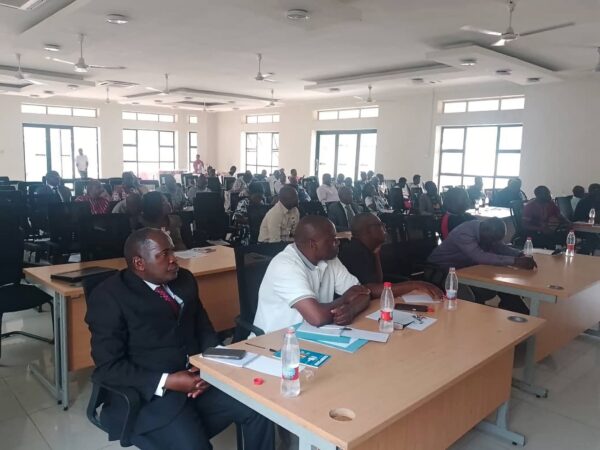
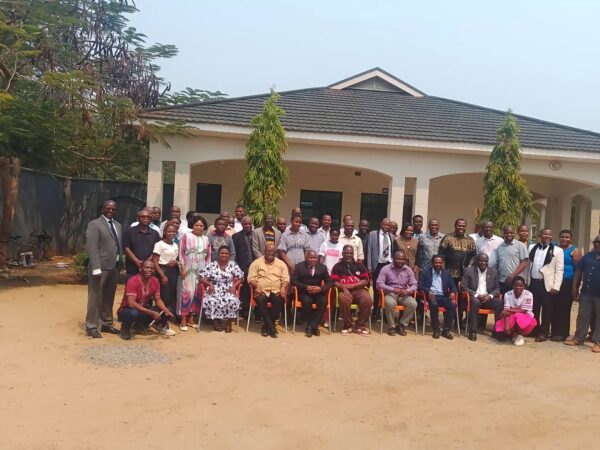
More than 200 delegates – including MPs, traditional authorities, civil society leaders and community representatives from Chikwawa and Nsanje – gathered at Arrows Hotel in Nchalo, Chikwawa, on 5 September for the second Nsanje-Chikwawa People’s Conference, producing a declaration demanding government commit to specific, dated development targets across the flood-prone Shire Valley.
The two-day event, organised by the Nsanje and Chikwawa Socio-Economic Development Trust (NECK) under the theme “Unity of Purpose and Action,” followed a Leaders Consultations Forum with traditional leaders the previous day.
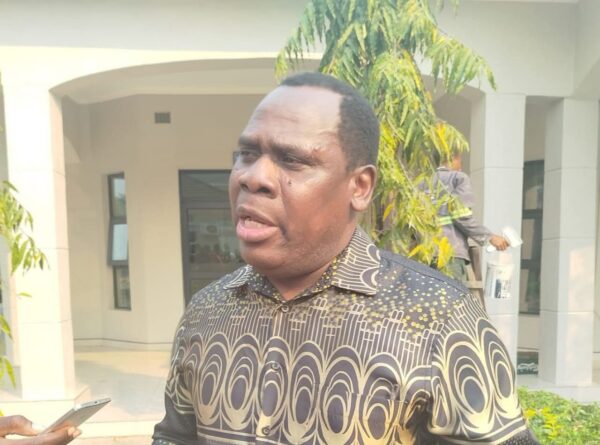
It produced the Nchalo Declaration and Communiqué 2026, which conference chairperson Gift Trapence described as a call for a social contract based on full reciprocity between the people of the Shire Valley and elected duty-bearers.
Trapence said NECK, established in 2020 to promote sustainable development in the historically under-resourced districts, had framed the conference around reviewing the region’s socio-economic status, forging a unified advocacy strategy, and setting clear roadmaps for engagement with national authorities on services and infrastructure.
Discussions repeatedly underscored the Shire Valley’s strategic importance to Malawi’s economy, alongside constitutional rights to development and equality, set against a backdrop of persistent poverty, climate shocks, weak infrastructure and inadequate public services.
Several expert presentations grounded the discussions in evidence. Dr Felix Lombe delivered the State of the Shire Valley Report focusing on agriculture, while Dr Medson Matchaya examined health funding challenges facing the valley.
Dr Charles Mazinga and Counsel Sydney Mpotalinga addressed infrastructure shortfalls – including specific concerns over the ongoing Shire Valley Transformation Project (SVTP) – alongside the state of education. These inputs informed the resolutions ultimately adopted.
The Nchalo Declaration and Communiqué 2026 sets out a series of dated resolutions across four key sectors.
On agriculture, it calls for the SVTP to be fully operationalised by May 2027, with government commitment ensuring an initial group of farmers can begin benefiting, alongside immediate rehabilitation of small irrigation schemes including Kasinthura, Nkhate and Muona.
On education, it demands budgeting for and commencement of construction on Bangula University by December 2027, at least 150 flood-resilient classrooms by June 2028, and 33 science laboratories and 30 libraries in public secondary schools across the Shire Valley by the same date.
On health, it calls for construction of a new Chikwawa District Hospital – to also serve as the Shire Valley’s referral hospital – to begin by December 2028, alongside use of Constituency Development Fund resources to build health centres in every constituency in the valley by June 2028.
On infrastructure, the declaration demands the Thabwa-East Bank road re-commence by March 2027, the Marka-Bangula railway and associated Ntayamoyo bridge be completed by December 2028, the Chapananga road be completed by the same date, and rehabilitation of the M1 section through the Shire Valley begin immediately.
The declaration closes with a commitment to engage constructively with government and its offices to realise these aspirations.
By converting long-standing grievances into specific, dated demands and insisting on reciprocity, organisers say the Nchalo gathering seeks to translate the Shire Valley’s economic potential and constitutional claims into measurable progress, moving beyond cyclical promises toward accountable delivery.
Conference co-chair Dr Leo Masamba, who led the formal reading and adoption of the communiqué, helped steer proceedings toward coordinated advocacy, warning that without a binding social compact, unfulfilled promises would continue indefinitely if left unaddressed.
NECK President Counsel King Rudi, a signatory to the communiqué, joined other leaders in endorsing the shift toward reciprocal engagement, while NECK Trustee Chairperson Dr Charles Guta participated in the broader leadership framework supporting the trust’s work.