

BOMBSHELL: No written passenger list existed for Chilima’s fatal final flight, security chief admits to MPs
A stunning documentation gap has emerged in the investigation into the June 2024 Chikangawa plane crash, after a former Kamuzu International Airport (KIA) security chief admitted to MPs that no written passenger manifest ever existed confirming who actually boarded the aircraft carrying Vice-President Saulos Chilima on his final, fatal flight.
Assistant Commissioner of Police Alex Simenti, who served as KIA Officer-in-Charge of security operations at the time, told the Parliamentary Ad-hoc Committee investigating the crash that airport police received only a VERBAL passenger list from the Ministry of Foreign Affairs before the aircraft departed for Mzuzu on June 10, 2024.
When MPs pressed him on whether that verbal list was ever backed up by an official written manifest, Simenti’s answer left the committee stunned: no such document was ever produced.
Astonishingly, he further revealed he still had not seen a written manifest even by the time he appeared before the inquiry, more than two years after the tragedy.
The bombshell revelation could prove absolutely critical as MPs attempt to reconstruct, minute by minute, exactly what happened before the Malawi Defence Force Dornier 228 took off from KIA at approximately 9:17am — and crucially, establish precisely who was on board when it crashed.
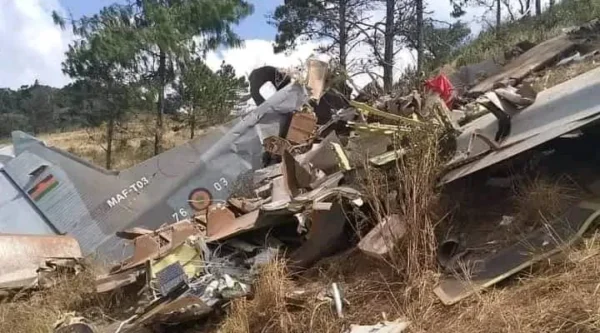
Chilima and eight others died when the aircraft went down in the Chikangawa forest during what should have been a routine flight from Lilongwe to Mzuzu.
The committee also examined CCTV footage capturing the movements of Chilima and those accompanying him at KIA in the moments before departure, footage that has now raised fresh and troubling questions over the identities and exact number of people who boarded the aircraft, and whether everyone who boarded the flight went through the required security procedures.
Simenti insisted security arrangements were properly in place at the time. But the committee is now expected to weigh his testimony directly against the CCTV footage and evidence from other witnesses, in a bid to determine whether the airport’s own procedures were genuinely followed on the day.
The absence of a written manifest leaves a glaring hole in the documentary trail surrounding a flight involving the country’s own Vice-President — a gap that raises uncomfortable questions about basic passenger accountability at one of Malawi’s most important airports.
Two questions now sit at the very heart of the inquiry: who exactly boarded Chilima’s final flight — and where, if anywhere, is the official written record proving it?
As the committee continues cross-referencing witness accounts against CCTV evidence, the missing manifest could yet prove to be a crucial piece of the puzzle in determining precisely what happened between the Vice-President’s arrival at KIA and the aircraft’s final, fatal departure.
The inquiry has not established that the missing document caused or contributed to the crash itself. But its absence raises deeply serious questions about passenger accountability, airport security procedures, and the completeness of official records surrounding one of Malawi’s most consequential aviation tragedies.
Follow and Subscribe Nyasa TV :