

Chilima ‘tormented’ by MCP, says UTM, as alliance apology backfires
An apology from the Malawi Congress Party (MCP) to its former Tonse Alliance partners has instead laid bare the scale of ill-feeling that has built up among Malawi’s opposition parties since the coalition’s collapse, with two former partners dismissing the gesture as too late to matter.
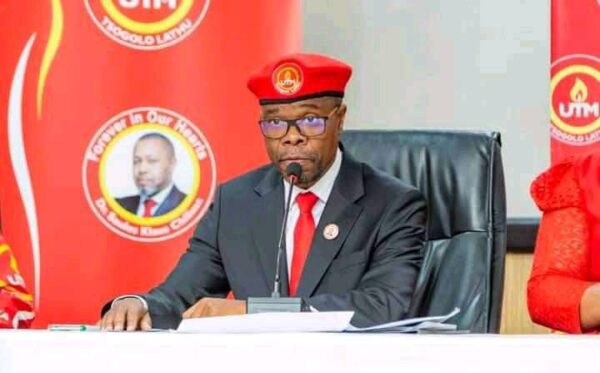
MCP publicity secretary Jessie Kabwila used an interview with Zodiak Broadcasting Station on Sunday to call for opposition unity ahead of the 2030 General Election, apologising for what she described as “any party’s wrongdoing” during the Tonse Alliance years and saying MCP had “learnt some lessons” from the experience.
The response from former partners suggests those lessons have arrived too late to repair the relationships in question.
UTM publicity secretary Felix Njawala said the apology only confirmed complaints his party had raised for years – that agreements reached within the alliance were never honoured – and argued UTM would have been satisfied only had MCP allowed the two parties to jointly run government and implement their shared manifesto.
Most striking was Njawala’s invocation of the late Saulos Chilima, UTM’s founder and Malawi’s former vice-president, who died in a plane crash in 2024. Njawala said Chilima “died a sad person” because MCP’s leadership had failed to honour the alliance agreement, adding that the party had “tormented him left, right and centre.”
The remark, whatever its accuracy, illustrates how personal and unresolved the grievances within Malawi’s fractured opposition remain, more than a year after Chilima’s death.
Freedom Party president Khumbo Kachali, himself a former vice-president, was similarly dismissive, questioning why MCP had chosen to communicate its desire for cooperation through the media now, when it had not adopted the same approach during the alliance’s actual negotiations.
“So to me there is nothing,” he said of the apology.
Kabwila, when pressed to specify exactly what MCP had failed to deliver on, declined to elaborate, saying the party was still researching the matter and would share its findings in due course – a response that did little to satisfy critics already sceptical of the apology’s sincerity.
The Political Science Association has also weighed in, arguing that the timing undermines the apology’s credibility, noting that significant damage has already been done to relationships among the former alliance partners, and that MCP’s current position is difficult to square with earlier statements from senior party figures, including former secretary general Eisenhower Mkaka, about whether firm agreements within the Tonse Alliance existed at all.
Coming five years after the coalition first swept MCP and its partners to power, and roughly a year ahead of the next electoral cycle, the exchange highlights how far Malawi’s opposition remains from the unity Kabwila’s apology was ostensibly meant to encourage – and raises questions over what, if anything, might yet bring these parties back together before 2030.
Follow and Subscribe Nyasa TV :