A heated debate has erupted within Malawi’s media fraternity following the election of a new leadership team for Media Institute of Southern Africa Malawi Chapter, with concerns emerging that public relations professionals — not active newsroom journalists — have now taken control of nearly all key positions in the influential media body.
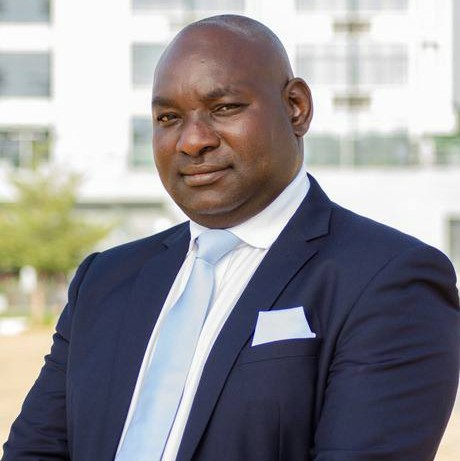
Washon: New MISA boss
The debate follows the election of communications specialist Felix Washon as the new MISA Malawi chairperson, succeeding Golden Matonga, who served a single term.
Official results announced by National Initiative for Civic Education Trust showed that Washon polled 150 votes to defeat Times Group journalist Innocent Mphongolo, who got 121 votes, while Alex Banda of Zodiak Broadcasting Station secured 78 votes and Janet Mtali of TWR received 55 votes.
In the race for vice-chairperson, Nathan Majawa overwhelmingly defeated Luciano Milala by 370 votes to 20, while Dorothy Kachitsa won the executive member position with 277 votes against Edward Kuwacha’s 77 votes.
But shortly after the results were announced, discussions exploded across journalists’ WhatsApp groups and social media platforms, with several senior reporters questioning whether the new leadership truly represents practicing journalists working daily in newsrooms.
Among the most vocal critics was senior Nation Publications journalist Joseph Mwale, who reportedly argued that it was unhealthy for the media industry that no active newsroom journalist now occupies the organisation’s top leadership positions.
Critics fear the development could gradually shift MISA Malawi away from aggressively defending newsroom interests such as press freedom, editorial independence, journalists’ safety, poor salaries and working conditions.
Some journalists argued that public relations practitioners and communications specialists operate under different professional pressures and institutional loyalties compared to reporters working in active newsrooms.
“This is supposed to be a body championing journalists’ welfare and media freedom, but now almost all key positions are occupied by people outside mainstream newsroom practice,” one journalist observed during the debate.
Others questioned whether the trend reflects growing voter preference within MISA Malawi or a worrying decline in newsroom participation in media governance issues.
However, supporters of the newly elected leadership defended the outcome, arguing that communications professionals are equally part of the broader media and information ecosystem and possess valuable leadership and management skills capable of strengthening the institution.
Speaking after his victory, Washon, who works as communications specialist for Malawi Red Cross Society, said he was humbled by the trust members had placed in him.
“I campaigned on a promise to serve the membership in a transparent manner,” he said.
“We have held a very fair and credible election. I thank all members regardless of how they voted. We will build on the work of the immediate past administration and work with those I competed against.”
Outgoing chairperson Matonga congratulated the new team and urged them to continue strengthening media freedom and improving journalists’ welfare.
“We hope the new leadership will foster media freedom and uphold the welfare of journalists in the country,” he said.
The elections were conducted across the country, with Southern Region members voting at the Nation Publications Limited offices in Blantyre, Central Region members casting ballots at Crossroads Hotel in Lilongwe, and Northern Region voting taking place at NICE offices in Mzuzu. Members in 14 districts participated through online voting.
Voting opened at 7am and closed at 3pm after an hour-long extension, with NICE programmes officer Daniel Malango describing the process as free and fair.
Still, beyond the celebrations and congratulatory messages, the election outcome has now triggered a deeper conversation within Malawi’s media industry — one that touches on identity, representation and who should legitimately lead institutions tasked with defending journalism and press freedom in the country.