

Delay, Doubt and Rising Costs: Why Is NFRA Still Waiting for Funds as Malawi’s Strategic Maize Purchase Hangs in the Balance?
As the clock ticks and maize prices continue to rise, pressing questions are emerging over why the National Food Reserve Agency (NFRA) is still waiting for funding to begin one of the country’s most critical food security operations.
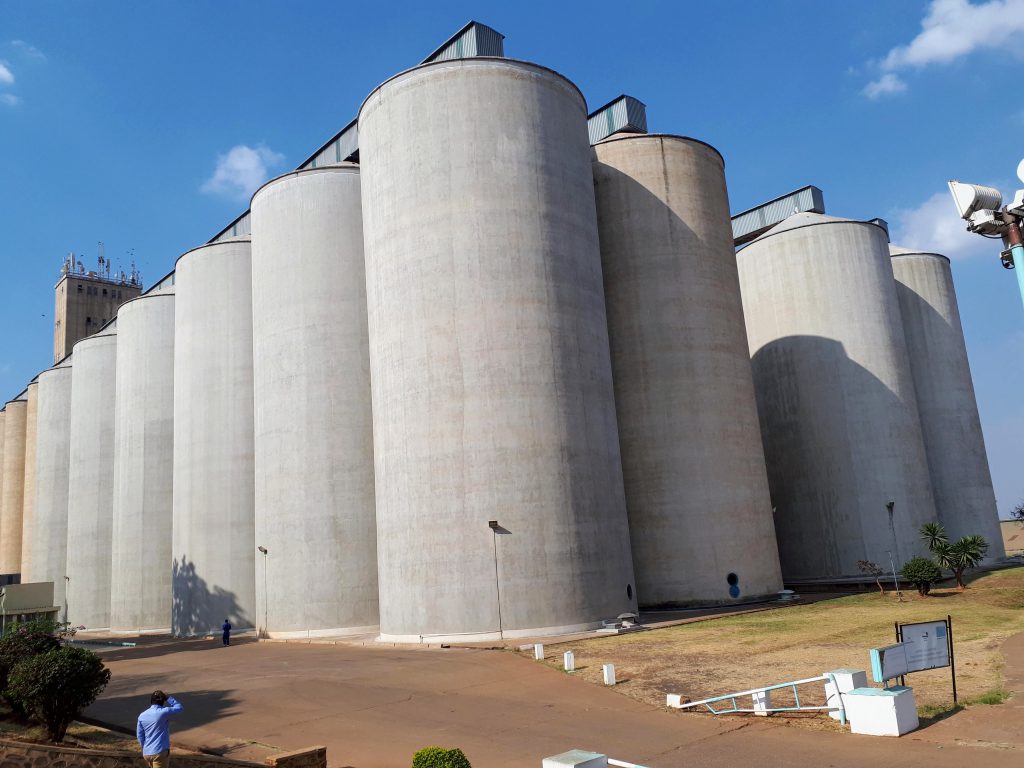
The agency has announced plans to purchase 108,000 metric tonnes (MT) of maize for Malawi’s Strategic Grain Reserves (SGRs), yet admits it has not received the money needed to finance the exercise. Instead, it says it is still engaging the Ministry of Agriculture and Treasury while hoping that funds will be released.
For many observers, the situation raises an uncomfortable question: Why is the procurement process only now reaching this stage when the harvest season is already well advanced and prices have begun climbing?
NFRA Chief Executive Officer Bruce Munthali says the institution intends to buy 86,500MT through competitive tendering and another 21,500MT from traders on a first-come, first-served basis. However, he acknowledged that the agency is still waiting for the necessary financial resources.
“We anticipate that the funds will be released this week, so we will see what happens as we close the week,” Munthali said.
The explanation has done little to quiet concerns, particularly because NFRA proceeded to advertise the tender before securing funding, arguing that procurement procedures themselves take time.
While that may be administratively justifiable, critics argue that the real cost of delay could ultimately be borne by taxpayers.
Under the 2025/26 National Budget, NFRA received an allocation of K60 billion, yet purchasing 108,000MT at its proposed buying price of K900 per kilogramme would require roughly K97.2 billion, leaving a substantial funding gap.
That gap is becoming increasingly significant as market conditions evolve.
Grain Traders Association of Malawi president Grace Mijiga-Mhango welcomed the opening of the market but warned that traders are unlikely to sell at NFRA’s target price.
“By this time, traders have already incurred costs for transportation, fumigation and, in some cases, financing. There is no way they can sell maize at K900 per kg at this time in the year,” she said, suggesting that a price of at least K1,000 per kilogramme would be needed to attract meaningful supplies.
Her comments reinforce fears that every week of delay could make the procurement exercise more expensive.
Agriculture expert Leonard Chimwaza offered an equally sobering assessment, noting that many smallholder farmers have already sold their produce, leaving traders and aggregators as the principal suppliers.
“The danger of entering the market late is that NFRA ends up buying maize at a higher price than it would have paid had funds been released earlier,” Chimwaza warned.
He further observed that suppliers will have to transport maize to designated depots themselves, adding another layer of cost that could push prices even higher.
The irony is striking. Malawi possesses storage infrastructure capable of holding approximately 340,000MT of maize, and previous assessments have indicated that maintaining between 150,000MT and 217,000MT in strategic reserves is important for national food security. Yet the current procurement programme remains stalled over financing at a time when purchasing conditions may already be deteriorating.
NFRA’s own tender indicates planned deliveries to depots across the country, including 40,000MT for Kanengo, 14,000MT for Luchenza, 10,000MT each for Mangochi and Mzuzu, with smaller allocations destined for Limbe, Bangula, Kazomba and Karonga.
The broader concern extends beyond logistics. Malawi has repeatedly experienced food shortages, price volatility and weather-related shocks, making timely replenishment of strategic reserves a matter of national importance rather than routine procurement.
Against that backdrop, the prolonged wait for funding is prompting scrutiny over planning and coordination. If Treasury resources were expected to finance the purchases, some observers are asking why the money was not available before tenders were issued. Others question whether delayed disbursements could undermine the government’s ability to secure maize at competitive prices.
NFRA says it is also exploring financial support from local and international partners and intends to use the maize for emergency response if needed. Even so, the uncertainty surrounding funding has left many watching closely to see whether promised resources materialise before costs escalate further.
As the week unfolds, one issue remains at the centre of the debate: Can Malawi afford to delay strategic grain purchases until the market has shifted decisively in favour of sellers, or will late financing once again force the country to pay more for the very food reserves meant to protect it in times of crisis?
Follow and Subscribe Nyasa TV :