

Doubts Grow Over Mutharika’s “Anti-Looting” Rhetoric
President Peter Mutharika’s vow to end looting in government has landed with more scepticism than applause — and for good reason. For many Malawians, the man preaching integrity is the same one whose first term was dogged by the very rot he now claims to detest.
In his inaugural address at Kamuzu Stadium on Saturday, Mutharika thundered against what he called the “honeymoon of looting,” warning that the era of “tidyerere” politics was over.
But for a leader returning to power after years of allegations of abuse, self-enrichment, and political patronage, his moral authority is under heavy question.
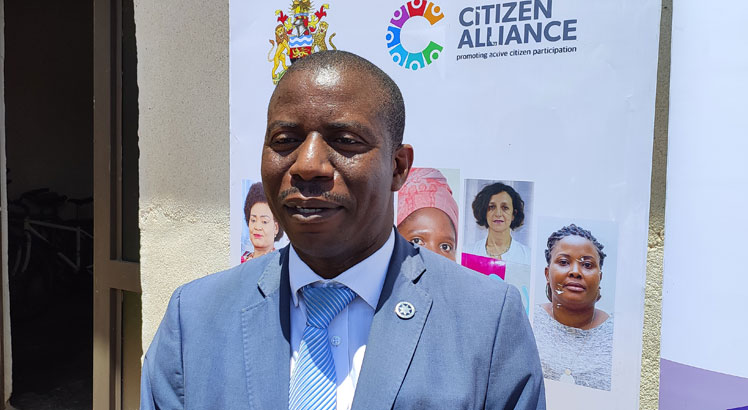
Governance expert Benedicto Kondowe called the speech “necessary but empty unless backed by action.”
“This country has heard this song before,” he said. “The real test is not in fine speeches but in fearless enforcement. If Mutharika shields sacred cows, his credibility will vanish overnight.”
The skepticism is not misplaced. Mutharika’s first administration (2014–2020) was marred by corruption scandals that scarred his record — from the cement import saga, where his official taxpayer identification number was allegedly used to smuggle billions worth of cement duty-free, to the K145 million Pioneer Investments pay-out that forced him to reimburse government funds.
Anti-corruption activist Moses Mkandawire echoed the cynicism: “Malawi’s political culture thrives on looting disguised as loyalty. Politicians use public office as a pathway to personal wealth. Unless Mutharika dismantles that system — including within his own ranks — this is just political theatre.”
Observers argue that Mutharika’s new rhetoric cannot erase his old legacy. His party, the Democratic Progressive Party (DPP), has long been synonymous with “mapwevupwevu” politics — a culture of waste and extravagance that celebrates access over accountability.
Political scientist George Chaima attempted a more charitable view, suggesting the President’s tone signals “a mission to restore moral discipline.” But critics note that moral discipline cannot coexist with selective justice and recycled loyalists who helped cripple state systems in his previous term.
Mutharika may speak of reform, but Malawians have learned to judge leaders by their hands, not their words. And unless his new administration prosecutes the looters within his own camp — not just his opponents — his “anti-looting” crusade will remain what many already suspect it to be: a hollow performance meant to cleanse an old image, not clean up a rotten system.
For now, the President’s biggest challenge is not corruption — it’s credibility. And in the eyes of a weary nation, that’s one deficit no speech can fix.
Follow and Subscribe Nyasa TV :