

DPP’s K5 Billion Per Constituency Plan: A Bold Step Toward Real Decentralisation
The Democratic Progressive Party’s (DPP) ambitious pledge to allocate K5 billion annually to each of Malawi’s 229 constituencies has sparked debate, but development experts agree it could be a game-changer in the country’s decentralisation journey if implemented with strong accountability measures.
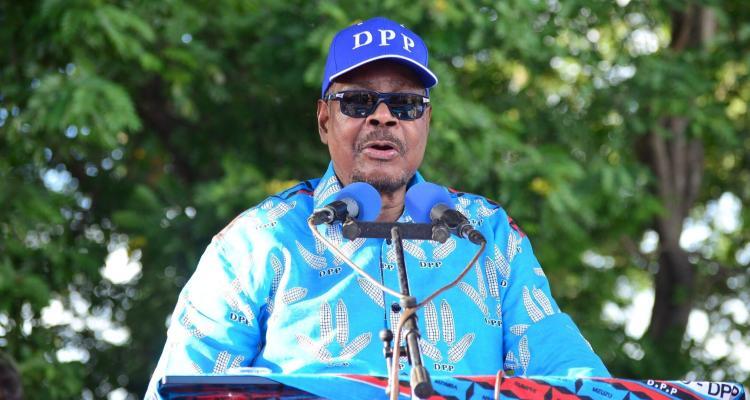
In its September 16 General Election manifesto, the DPP promised to decentralise development financing by sending resources directly to constituencies. This translates to about K1.2 trillion annually, a significant shift that seeks to empower local structures and communities to decide their own priorities.
The incoming administration, led by President-elect Peter Mutharika who won with 56.8 percent of the vote, argues that this model will unlock unprecedented opportunities for job creation and service delivery. The party envisions the recruitment of at least 229 executive directors to oversee constituency development, alongside “thousands of engineers, doctors, nurses, auditors, researchers, artisans and many more.”
A Strong Case for Local Empowerment
Supporters of the policy say it represents a radical departure from centralised development planning that often leaves rural communities waiting years for basic infrastructure and services. With direct funding to constituencies, projects such as roads, health centres, schools, and irrigation schemes could be prioritised based on community needs rather than distant decisions from Capital Hill.
Economist and Mzuzu University lecturer Christopher Mbukwa says the plan is “a good development for decentralisation” as long as clear guidelines are established.
“This could mark a real turning point. For years, people in rural areas have complained that they do not see tangible benefits of the national budget. If K5 billion goes straight to their constituencies every year, communities will finally have the resources to transform their lives,” he said.
Learning from Past Lessons
The promise comes at a time when the Constituency Development Fund (CDF) — currently pegged at K220 million per constituency — has faced challenges of abuse and delivery gaps. Civil society groups have argued that weak oversight has sometimes turned CDF into a missed opportunity.
Malawi Economic Justice Network (Mejn) executive director Bertha Phiri says the DPP’s plan is bold but must be coupled with performance-based mechanisms, citizen engagement, and strict audits.
“This is an unprecedented allocation, but with robust transparency and community oversight, it could bring real value to Malawians,” she said, pointing to global models where localised funds have spurred rapid growth.
Unlocking New Jobs and Services
Analysts say the K5 billion pledge could also transform Malawi’s job market. With each constituency mandated to employ professionals and artisans, young graduates and skilled workers will find new opportunities closer to their communities. This will not only absorb unemployment but also strengthen service delivery in rural health, education, and infrastructure.
The Road Ahead
The challenge for the DPP government will be to ensure that the programme does not crowd out other critical sectors of the national budget. However, with clear prioritisation, regular independent audits, and citizen involvement, experts believe the initiative could be Malawi’s strongest decentralisation milestone since independence.
In short, while questions remain on implementation, the DPP’s K5 billion per constituency pledge is being hailed as a bold attempt to localise development, empower communities, and create thousands of jobs. If backed by accountability, it could change the face of rural development in Malawi and finally bring government closer to the people.
Follow and Subscribe Nyasa TV :