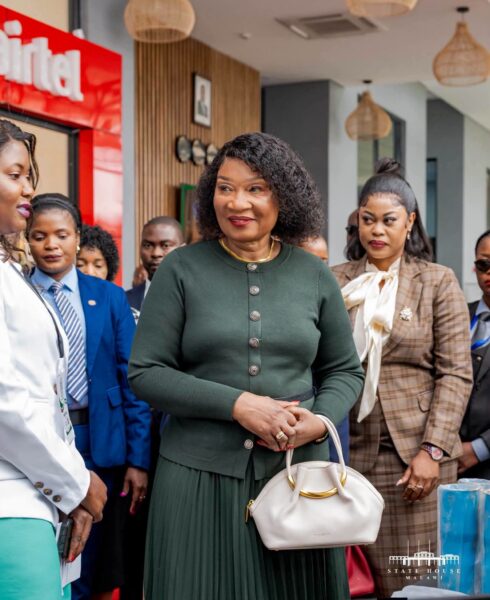
First Lady crowned patron of MEH as she demands “storm-proof” systems to protect Malawi from climate chaos
First Lady Gertrude Mutharika has issued a rallying call for stronger national systems capable of withstanding the escalating impact of climate change, insisting the country can no longer afford to simply react to disasters after they strike.

The First Lady made the remarks on Thursday at the Malawi Environmental Health Association (MEHA) Conference and Annual General Meeting in Salima, during which she was officially crowned patron of the association.
Delivering a stark warning about the accelerating pace of climate-related disasters, the First Lady said cyclones, storms, droughts and floods can no longer be treated as isolated, once-off events, but must instead be understood as recurring threats facing the entire world.
“They destroy homes, leaving people desolate, contaminate water sources and create ideal breeding grounds for diseases like cholera and malaria,” she said.
She was equally clear about where the real solution lies.
“True climate resilience is not merely about managing a crisis after it strikes. Resilience is about prevention. It’s time to build systems that stand the storm, protecting our natural resources and ensure access to basic life serving services for every citizen,” she said.
The First Lady also turned her attention to researchers and academics present at the conference, urging them to ensure their findings translate into real-world results rather than languishing unused on bookshelves.
Malawi Environmental Health Association President Bertha Sato heaped praise on the First Lady’s dedication to environmental health issues, pointing to both her attendance at the conference and her founding of the Beautify Malawi (BEAM) Trust as clear evidence of her commitment.
Sato said the conference offered participants a vital opportunity to explore the connection between climate change and environmental health, while identifying practical ways to strengthen community resilience against climate-related disasters.
Sato didn’t mince her words when describing the stakes involved.
“When disasters strike, we often see systems breaking down, thereby affecting the health and wellbeing of people,” she said.
“What we need are strong environmental health systems as the first line of healthcare on the ground to build and sustain resilient communities.”
She warned that the mounting burden of climate-related diseases and injuries continues to place immense pressure on government resources, carrying significant economic consequences for ordinary Malawians.
Sato added that the gathering would serve as an important platform for participants to exchange best practices, research findings and knowledge on climate change, environmental health and community resilience — critical tools, she said, as Malawi continues grappling with the growing frequency of extreme weather events.
This year’s conference was held under the theme “Environmental Health, Key to Attainment of Climate Change Resilience,” reflecting growing national urgency around building systems capable of protecting Malawians from the accelerating impacts of climate change.