

Governance or gossip? CSADD and PAC locked in bitter fight over Mutharika’s fitness for office
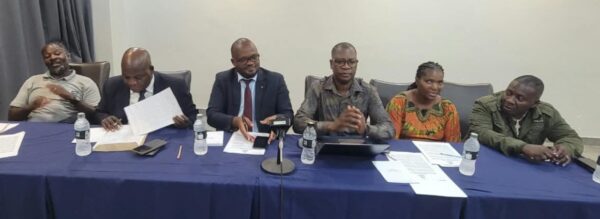
A bitter public clash has erupted between the Civil Society Coalition for Democracy and Development (CSADD) and the Public Affairs Committee (PAC) over growing questions surrounding President Professor Arthur Peter Mutharika’s health and ability to govern.
The row intensified after PAC demanded that the President address the nation live to dispel concerns about his condition, prompting a fierce backlash from CSADD and allied organisations, who accused the influential watchdog of stoking unnecessary speculation.
In a strongly worded joint statement issued on Saturday, CSADD and several civil society groups urged Malawians to respect the Head of State and rejected suggestions that his limited public appearances amounted to evidence of incapacity.
The statement, signed by representatives including Sammy Aron, Fredrick Malata, Edward Kambanje, Masautso Thawe, Unice Kaombe and Lyton Mangochi, was a direct response to PAC’s 24 November statement on alleged presidential incapacitation and the constitutional role of First Vice President Dr Jane Ansah.
While acknowledging PAC’s historic role in promoting democracy and national dialogue, the coalition insisted that claims about the President’s fitness for office could not be based on appearances, airport receptions or the number of televised speeches he delivers.
“The presidential election of 16 September 2025 conferred a democratic mandate on President Mutharika,” the group said.
It argued that leadership should be judged by results rather than visibility, pointing to economic recovery, food security, healthcare, economic stability and public service delivery as the real measures of performance.
CSADD further stressed that any declaration of presidential incapacitation must follow constitutional procedures and be supported by evidence, not public speculation about the President’s health.
The coalition maintained that governments function through ministers, civil servants and state institutions, rather than through a Head of State attending every public event.
But PAC has refused to back down.
In a statement signed by chairperson Monsignor Dr Patrick Thawale and publicity secretary Bishop Gilford Emmanuel Matonga, the organisation warned that uncertainty surrounding the President’s condition was eroding public confidence and raising serious governance concerns.
PAC demanded that Mutharika make a live national address to clarify his health status and answer mounting questions about the country’s leadership, arguing that conflicting official explanations following his recent private trip to South Africa had only fuelled public speculation.
“Thus, a live national address to the citizenry would cure gross negative narratives fuelled by inconsistent government statements. Failing which, the issue of incapacitation of the Head of State remains on the radar,” PAC said.
The watchdog also questioned why First Vice President Dr Ansah was not presiding over key state functions, claiming that government officials were increasingly bypassing her in the established chain of leadership and accountability.
However, CSADD rejected suggestions that the Vice President had been sidelined, warning against drawing conclusions based on perception rather than constitutional reality.
The coalition said it fully supported the constitutional role of the First Vice President and opposed any form of gender-based discrimination or unlawful interference with her duties, but cautioned against assuming her absence from some public events automatically indicated marginalisation.
Despite their sharp disagreement, both sides appear united on one point: Malawi needs clearer communication from government, stronger respect for constitutional institutions and leadership capable of delivering results.
CSADD ended with a pointed message, declaring that the country requires “solutions, not speculation; constructive engagement, not unnecessary confrontation; and measurable progress, not ceremonial leadership.”