

HRCC accuses Lilongwe City Council of abusing forfeiture powers to confiscate vendors’ goods
The Human Rights Consultative Committee (HRCC) has launched a hard-hitting national campaign demanding a comprehensive overhaul of Malawi’s asset recovery and forfeiture laws, warning that current powers are being wielded unfairly — and, in one striking case, abused entirely.
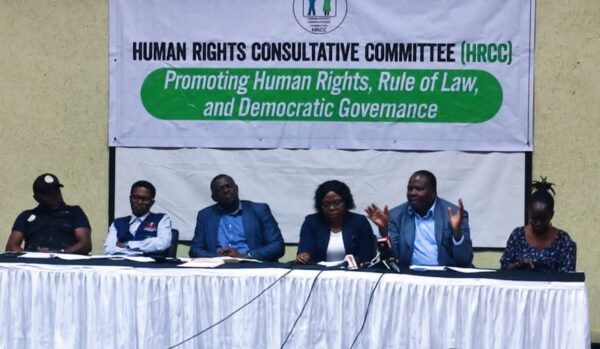
The campaign, titled “Fair Forfeiture, Equal Justice,” is pushing for a system capable of effectively clawing back illicit wealth while remaining transparent, proportionate, constitutionally sound and applied consistently across the board.
HRCC Chairperson Robert Mkwezalamba was quick to stress that the Committee is not opposed to asset forfeiture itself, and fully backs efforts to recover property acquired through crime.
His concern, he explained, lies squarely in how that power is exercised — insisting it must operate strictly within the law, under proper judicial oversight, with due process and equal treatment for all.
“The guiding principle of the campaign is simple: recover stolen wealth, protect lawful property, and uphold equal justice,” Mkwezalamba said.
The campaign zeroes in specifically on the Financial Crimes Act of 2017, and in particular its Part VI provisions covering preservation orders, seizure, civil forfeiture, appeals and asset disposal.
While Mkwezalamba acknowledged these powers remain essential weapons in the fight against corruption and financial crime, he argued forcefully that strong enforcement must be matched by equally strong safeguards.
Fellow HRCC member Fryson Chodzi went further, flagging a litany of concerns including the selective application of forfeiture laws, prolonged and indefinite restraint of property, weak protections for innocent owners and third parties caught up in seizures, difficulty accessing legal remedies, and a troubling lack of transparency over how forfeited assets are ultimately managed and disposed of.
Chodzi called for urgent review across several key areas — from the length of preservation orders and safeguards within the civil forfeiture process, to the quality of notice given to affected individuals and the overall effectiveness of appeal mechanisms.
In a pointed illustration of exactly the kind of overreach the campaign is targeting, HRCC singled out Lilongwe City Council, accusing it of abusing forfeiture-related powers by confiscating goods from vendors with what the Committee described as a total absence of transparency — a case cited as clear evidence of why urgent legal reform is needed.
Chodzi said Malawi urgently needs to harmonise forfeiture provisions scattered across different pieces of legislation, proposing a single, consolidated National Asset Recovery and Forfeiture Act to close existing gaps and inconsistencies.
As part of its reform package, HRCC is also pushing for the creation of a National Forfeited Assets Register — a public database designed to account transparently for all assets preserved, forfeited, disposed of, and any proceeds subsequently realised.
HRCC was careful to stress that it is not calling for asset recovery efforts to stop. Instead, its message to Government was clear: make forfeiture stronger by making it fairer. To Parliament, the Committee called for tighter scrutiny and stronger oversight of recovered assets. To the Judiciary, it demanded equal application of the law and greater transparency in decision-making.
And to agencies such as the Anti-Corruption Bureau and Financial Intelligence Authority, HRCC expressed full support for their work — while urging continued respect for constitutional rights throughout the process.
Summing up its position, HRCC insisted Malawi needs both effectiveness and fairness in equal measure.
A system that recovers assets but is seen as selective, the Committee warned, risks losing public legitimacy altogether — while a system that protects rights but fails to recover stolen wealth is equally unfit for purpose.
Follow and Subscribe Nyasa TV :