

Lawyer Soko sounds alarm over Malawi’s jobs crisis as graduates queue for work
Private practice lawyer Khumbo Soko has raised the alarm over Malawi’s jobs crisis, warning that graduates are sitting at home while the country spends scarce resources training them.
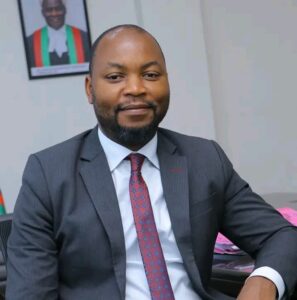
In a Facebook post, Soko said the gap between the number of graduates leaving universities and the number of jobs on offer was growing. He argued that Malawi trains relatively few people to university level compared with its neighbours, yet many who do graduate still cannot find meaningful work.
Even professionals in high-demand fields are struggling, he said. Doctors, nurses and other health workers trained at Kamuzu University of Health Sciences (KUHeS) are spending months or even years looking for jobs, despite hospitals across the country crying out for staff.
Soko compared his own start with today’s situation. He left Chancellor College on February 7, 2009, and reported for work at the Department of Legal Aid just three days later, on February 10. At the time, he said, there were plenty of public service options, including posts at the State Chambers and the Judiciary.
Today, he said, even qualified lawyers who have been admitted to practise are struggling. He warned that the problem could get worse as more universities launch Bachelor of Laws (LLB) programmes, adding more graduates to a shrinking pool of jobs.
“We surely can’t be spending billions of limited kwachas training people that we are not putting to a productive use,” Soko said.
He also worried that Malawi could lose its trained professionals to other countries.
Doctors trained at public expense, he said, were ending up seeking work in Botswana and Namibia because of the lack of openings at home.
For Soko, the crisis raises wider questions about education, workforce planning, public investment and economic development.
He called for better co-ordination between universities, government and the private sector, and for job creation, stronger key sectors, support for entrepreneurship and skills that match the labour market.
He described the situation as deeply troubling and called for lasting solutions to help young Malawians become economically productive.
Follow and Subscribe Nyasa TV :