

Malawi Celebrates Major Progress Against Malaria as Cases Drop by 4 Million
Malawi today joined the global community in commemorating World Malaria Day, with health authorities highlighting significant progress in the country’s fight against malaria after cases dropped by four million.
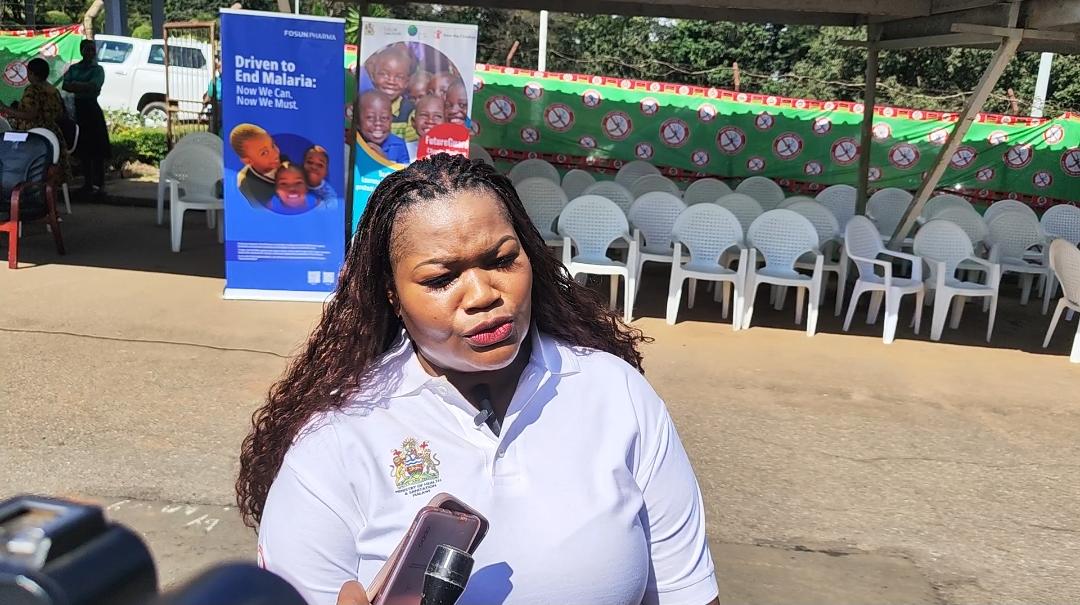
Minister of Health Madalitso Baloyi and World Health Organization Country Representative Dr Charles Kuria Njuguna led a public awareness walk from Reserve Bank of Malawi to Capital Hill, accompanied by the Malawi Defence Force Brass Band.
Speaking during the commemorations, Baloyi urged Malawians to take personal responsibility in preventing malaria by maintaining clean surroundings and eliminating mosquito breeding sites.
“The public must drain swamps around homes and observe proper hygiene,” she said.
Baloyi said Malawi is marking this year’s World Malaria Day with encouraging achievements in the health sector. She revealed that malaria cases have reduced by four million, while deaths have also significantly declined from 8,683 recorded cases previously.
She stressed that defeating malaria requires both individual and collective efforts, including environmental cleanliness and the consistent use of treated mosquito nets.
The minister further disclosed that government distributed more than 17 million mosquito nets in 2025 as part of efforts to ensure that more Malawians are protected from mosquito bites while sleeping.
Meanwhile, Dr Njuguna warned that many people underestimate the deadly danger posed by mosquitoes despite malaria continuing to kill thousands globally.
“If a snake entered your house, you would panic. Yet we have grown used to mosquitoes, even though they are far more dangerous,” he said.
“A child dies from malaria every two minutes. Deaths from mosquitoes through malaria far exceed those from snake bites and other animals combined. We must treat mosquitoes as the enemy if we are to eliminate malaria,” added Njuguna.
World Malaria Day is commemorated every year on April 25 to raise awareness about the global fight against malaria and the need for continued investment in prevention, diagnosis, treatment, and research.
Malaria, caused by Plasmodium parasites and transmitted through infected Anopheles mosquitoes, remains one of the world’s most serious public health challenges, particularly in sub-Saharan Africa and parts of Southeast Asia.
The commemorations also promote the use of insecticide-treated mosquito nets, antimalarial medicines, vaccines, and vector control measures, while encouraging governments, researchers, health workers, and communities to work together toward malaria elimination.
Follow and Subscribe Nyasa TV :