

Malawi moves towards advanced cancer treatment with nuclear medicine facilities
Malawi is on the brink of a major breakthrough in the fight against cancer, with advanced diagnosis and treatment facilities known as nuclear medicine set to launch in Lilongwe, dramatically boosting access to life-saving cancer care for thousands of desperate patients.
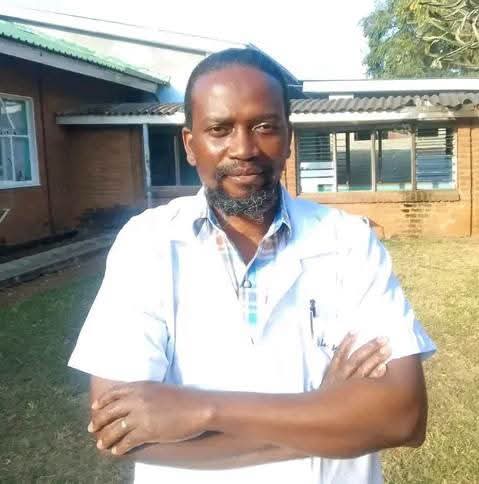
The exciting development was revealed by renowned oncologist Dr Leo Masamba ahead of the 5th Kamuzu University of Health Sciences (KUHeS) Research Dissemination Conference, which opens Wednesday at Amaryllis Hotel in Blantyre.
“There is need to increase capacity in tools and human resources to improve cancer treatment access. The public should anticipate introduction of nuclear medicine facilities soon in Lilongwe,” Masamba announced.
The three-day conference, running under the theme “Advancing Economic Development through Multidisciplinary Health Research and Innovation,” will also showcase Malawi’s newly published Cancer Treatment Guidelines, unveiled just months ago.
Masamba explained the guidelines represent a crucial tool for health workers at primary and secondary facilities, helping ensure earlier diagnosis while guiding patient navigation and referral pathways for advanced treatment.
The leading oncologist further revealed that research focused on boosting public awareness and strengthening referral pathways holds real potential to slash the number of cancer cases being caught dangerously late.
With Malawi entering October, Breast Cancer Awareness Month, Masamba urged women across the country to become more self-aware and practise regular self-breast examinations, alongside seeking clinical checks from health workers.
Meanwhile, prominent health advocate Dorothy Ngoma issued her own passionate appeal, insisting frontline health workers remain absolutely vital in the fight for early breast cancer detection.
“Women should be taught to check and examine themselves every month. Any abnormality on breast size or colour should be reported at earlier stage,” Ngoma stressed.
She revealed the devastating reality that far too many women only come forward once lumps have already developed, leaving surgeons with agonisingly little time to act.
“As experts discuss this at KUHeS, what is crucial is how much of that information is trickling down to communities,” Ngoma warned, calling for breast cancer screening to be embedded at every level of society with collective support.
“Government and people, including men, must support each other especially women. We must not wait until things are bad and start running around for treatment because for most it is too late,” she pleaded.
According to Ngoma, late presentation of cancer ultimately forces patients into brutally expensive treatment paths, including chemotherapy, radiotherapy and surgery — placing a devastating financial burden on both struggling families and government coffers alike.
This article discusses cancer diagnosis and treatment. If you have concerns about your health, please consult a qualified medical professional.
Follow and Subscribe Nyasa TV :