

Malawi sinks deeper into economic trouble as freedom score falls, poverty fears grow
Malawi’s economic struggles are deepening, with a new global report painting a grim picture of a country trapped by weak institutions, rising informality, poor infrastructure and policy failures that continue to suffocate growth.
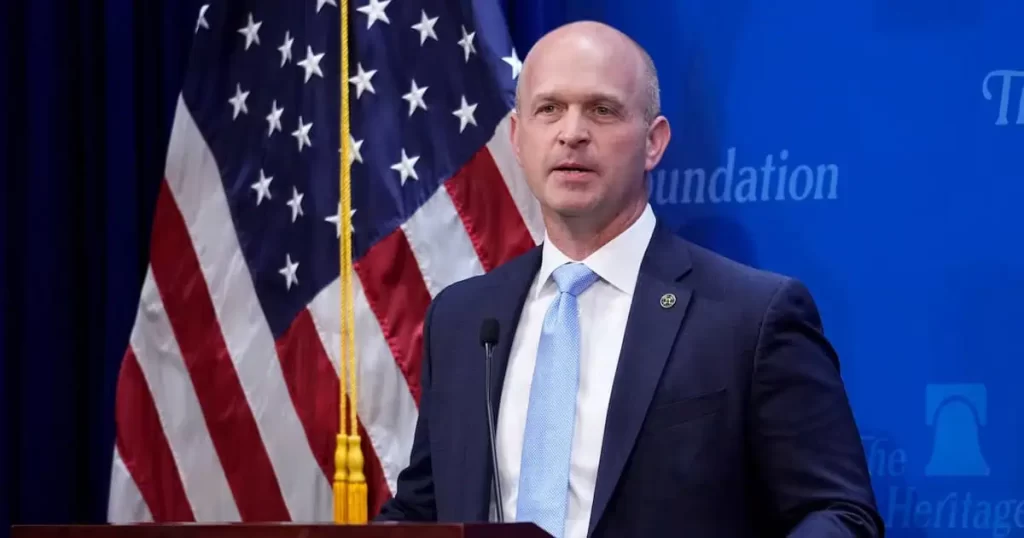
The latest Index of Economic Freedom has delivered a fresh blow to Malawi’s economic credentials, showing that the country has become less economically free over the past five years and remains firmly stuck in the category of “mostly unfree” economies.
The report, produced by the Heritage Foundation, shows Malawi’s economic freedom score has fallen from 53 in 2021 to 50.7 in 2026, extending a worrying downward trend that has pushed the country to position 143 in the world and 33rd out of 47 countries in Sub-Saharan Africa.
The ranking places Malawi below both the regional average score of 53.2 and the global average of 59.9, highlighting the country’s growing struggle to compete for investment, create jobs and lift millions of citizens out of poverty.
Behind the numbers lies a much bigger story.
The report suggests that Malawi is paying a heavy price for long-standing structural weaknesses that continue to discourage business growth, undermine investor confidence and slow economic transformation.
According to the Heritage Foundation, countries with higher levels of economic freedom generally experience stronger economic growth, higher incomes and increased investment. Malawi, however, remains trapped among economies that struggle to generate sustained prosperity.
“Malawi lags in competitiveness and promotion of the broad-based economic activity that is needed to reduce poverty,” the report says.
The foundation points to poor physical infrastructure, weak legal systems and government inefficiencies as major obstacles standing in the way of long-term development.
In effect, the report argues that while Malawians are working harder than ever to survive, the environment needed to create wealth, attract investment and expand businesses remains deeply constrained.
Perhaps one of the most alarming findings is the state of the labour market.
While government and development partners continue to promote industrialisation and job creation, the reality on the ground tells a different story.
According to the 2026 Labour Market Profile, a staggering 93 percent of Malawian workers are now employed in the informal sector, up sharply from 85 percent in 2013.
This means the overwhelming majority of workers are earning a living outside regulated employment structures, often without job security, social protection, pensions or stable incomes.
The figure is more than double the Southern African regional average of 39 percent and raises serious questions about the country’s ability to generate quality jobs and collect enough tax revenue to fund public services.
The Heritage Foundation notes that labour regulations are poorly enforced and that the labour market remains underdeveloped, with agriculture continuing to absorb the largest share of workers.
The findings have reignited concerns that Malawi’s economic growth is failing to translate into meaningful improvements in people’s lives.
Centre for Green Economy in Developing Countries Global Lead Velli Nyirongo warned that efforts to reduce poverty and improve living standards are increasingly being undermined by persistent economic challenges.
He said many Malawians are being left with little hope of escaping poverty despite numerous policy interventions.
The concerns come against the backdrop of a broader economic crisis marked by high inflation, foreign exchange shortages, rising public debt and declining purchasing power.
The National Planning Commission (NPC) has acknowledged that sustainable economic recovery will require much more than temporary policy measures.
NPC Director General Frederick Changaya said lasting macroeconomic stability will only come through deliberate improvements in productivity, resource allocation and structural transformation of the economy.
His remarks reflect growing recognition among policymakers that Malawi’s challenges are deeply rooted and cannot be solved through short-term interventions alone.
Adding to the concerns, the World Bank’s April 2026 Macro-Poverty Outlook warned that Malawi’s macroeconomic instability is likely to persist because of unsustainable fiscal, monetary and exchange-rate policies.
The Bretton Woods institution projected continued high inflation, worsening living standards and increasing pressure on households already struggling with rising costs of living.
The World Bank also cited growing trade barriers and mounting public debt as additional threats to economic recovery.
Ironically, Malawi’s own development blueprint, the Malawi 2063 First 10-Year Implementation Plan, has identified many of the same problems.
The analysis acknowledges that while the Covid-19 pandemic disrupted development efforts, other long-standing challenges—including rapid population growth, limited access to financial services and corruption—continue to undermine the fight against poverty.
Although authorities have introduced social protection programmes and developed a Malawi National Recovery Plan aimed at stimulating growth and improving food security, the latest findings suggest the road to economic transformation remains steep and uncertain.
For millions of Malawians battling soaring prices, shrinking incomes and limited opportunities, the report delivers a sobering message: unless deep structural reforms are implemented, the dream of prosperity outlined in Malawi 2063 may remain frustratingly out of reach.
And with economic freedom continuing to slide rather than improve, the country faces a critical question—how much longer can it afford to stay stuck in reverse while the rest of the world moves forward?
Follow and Subscribe Nyasa TV :