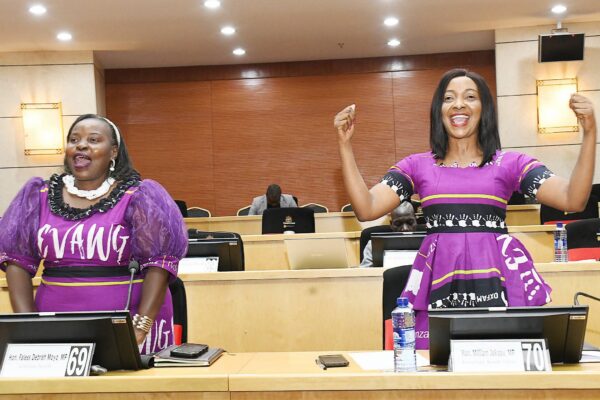

Malawi’s female MPs call for action as GBV cases reach record high
Gender-based violence (GBV) cases in Malawi have reached record levels over the past three years, according to a report presented by the Parliamentary Women’s Caucus (PWC), which found that cases rose to 24,900 in 2024 and 24,467 in 2025, up from 20,827 in 2022.

The PWC, which represents all 49 female legislators in Malawi’s Parliament, has expressed concern over the rising numbers and called for a strengthened, multi-stakeholder national response to tackle the issue.
Presenting the report in Parliament on Wednesday, PWC chairperson Mary Maulidi Khembo said addressing what she described as a “GBV crisis” would require coordinated and sustained action across multiple sectors of society.
“While Parliament has an important role to play through its legislative, oversight and representative functions, lasting solutions to GBV require collective action and commitment from all sectors of society,” the report states.
It calls for the involvement of government institutions, Parliament, communities, traditional and religious leaders, civil society organisations and development partners in tackling the problem.
According to the report, women make up the overwhelming majority of survivors, accounting for 22,312 of the cases recorded in 2025.
Children aged 18 and under represent approximately 13% of all victims nationally.
The report identifies emotional violence as the most commonly reported form of abuse, though it notes that cases of economic and physical violence are also increasing.
It further highlights growing concern over technology-facilitated violence, as well as the compounding effects of humanitarian crises and economic vulnerability on efforts to protect survivors.
The findings follow a series of engagement meetings the PWC held with the Ministry of Gender, Children, Disability and Social Welfare, the Malawi Human Rights Commission and the Malawi Police Service — the institutions responsible for protecting survivors, enforcing the law and implementing gender-related policy.
While those meetings revealed progress in establishing response mechanisms, the PWC said they also exposed continuing challenges, including inadequate funding, weak enforcement of legal frameworks, limited institutional capacity and cultural barriers.
“The caucus, therefore, further underscores the importance of strengthening legislative, policy and institutional frameworks to enhance prevention, protection, reporting and accountability mechanisms,” the report says, adding that stronger investment in frontline institutions, improved coordination between stakeholders, better data systems and tighter enforcement of gender-related laws would all be critical to an effective response.
The caucus also stressed that tackling GBV at its root would mean addressing harmful social norms, gender inequality and attitudes that normalise violence against women and girls.
It recommended that the Ministry of Gender expand male engagement programmes designed to shift harmful social norms and encourage more positive attitudes towards gender equality, while calling for traditional and religious leaders to be brought in as active partners in prevention efforts, community accountability, and encouraging survivors to seek available support.