

Malawi’s fiscal surplus offers rare bright spot amid declining donor support
Malawi recorded a K349.9 billion fiscal surplus in June 2026, its first monthly surplus in more than a year, according to Reserve Bank of Malawi data — a development that comes as government prepares to rely more heavily on domestic tax revenue to fund public spending.
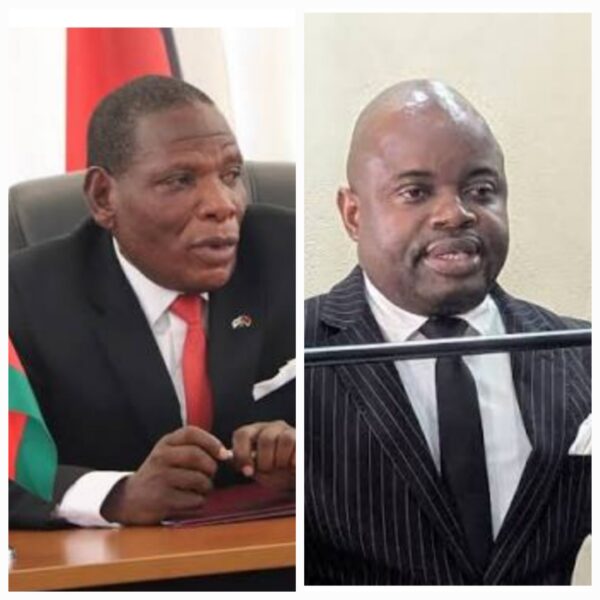
Finance minister Joseph Mwanamvekha said Malawi’s government will increasingly turn to domestic taxes to finance spending as donor support declines and trade liberalisation reduces customs income, with pressure mounting on the country’s tax authority to fund an ambitious national budget.
Speaking during a visit to the Malawi Revenue Authority (MRA) offices in Lilongwe, Mwanamvekha challenged tax collectors to widen the country’s tax base and improve collections without placing additional burden on existing taxpayers.
MRA Commissioner General Felix Tambulasi said the authority was already more than K20 billion ahead of its cumulative revenue target and expected to outperform its annual target of K6.07 trillion.
“We are already ahead of the targets… We believe that we are on the right path, and therefore, come the end of the financial year, we will have exceeded the target,” Tambulasi said.
While broadly satisfied with the MRA’s overall revenue performance, Mwanamvekha said he believed the authority’s Lilongwe station in particular had scope to collect more, given the concentration of economic activity, businesses and rental properties in the capital.
“The station is doing very well, they are meeting their target, but we also know that this station has more potential, even to generate more revenue,” Mwanamvekha said, noting that the station’s performance compared with the Southern Region suggested room for improvement.
The minister said strengthening domestic revenue mobilisation was becoming increasingly important as Malawi deepens its participation in regional and continental free trade arrangements, including the Southern African Development Community (SADC), the Common Market for Eastern and Southern Africa (Comesa) and the African Continental Free Trade Area (AfCFTA), all of which involve the progressive reduction of tariffs.
“As we sign these free trade areas… there will be more reliance on domestic taxes rather than customs. So, we need to create capacity internally so that we are able to collect more,” he said.
The remarks come just three weeks after Mwanamvekha assured the nation that Malawi would continue receiving donor support despite recent aid cuts by some development partners.
Speaking separately in Lilongwe during the launch of the Tiyende Limodzi Endowment Fund for the Catholic Archdiocese of Lilongwe, the minister said fears that declining aid would derail the economy were misplaced.
Mwanamvekha’s comments underline mounting pressure on the MRA to mobilise sufficient domestic resources to finance the K11 trillion 2026/27 National Budget.
Follow and Subscribe Nyasa TV :