
Malawi’s unfinished reckoning: CSOs say economic grievances from 2011 unrest persist
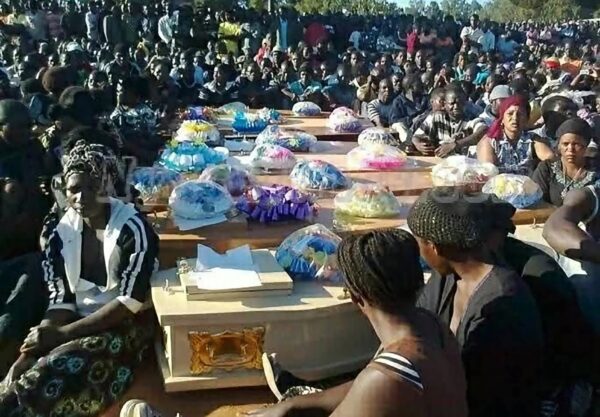
Fifteen years ago today, Malawi endured two days of nationwide demonstrations that ended with government security forces killing more than 20 protesters — one of the darkest episodes in the country’s post-independence history, and one whose lessons, it seems, were never quite learned.
The 2011 protests were not the work of a few disgruntled agitators. They were a broad expression of public exasperation: fuel shortages that left the country grinding to a halt, a cost of living spiralling out of control, and unemployment that showed no sign of easing under President Bingu wa Mutharika, who had swept to power in 2004 and won a second term in 2009 with rather more goodwill than he would later enjoy.
By July 2011, that goodwill had evaporated entirely.
The Ministry of Health’s own figures from the time recorded deaths in Karonga, Mzuzu, Lilongwe and Blantyre — a grim geographical spread that testified to just how nationwide the anger truly was. It was not a localised flashpoint but a countrywide verdict on a government seen as having lost its grip.
Fifteen years on, one might hope for the satisfaction of looking back on a turning point — a moment after which things genuinely improved.
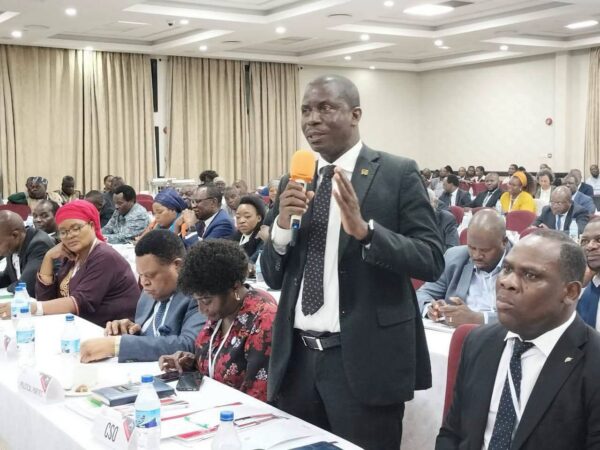
Benedicto Kondowe, who helped organise those protests and now chairs the Human Rights Defenders Coalition, offers no such comfort.
Speaking on the anniversary, he made the rather damning observation that the very grievances which brought Malawians onto the streets in 2011 — forex shortages, high taxes, the relentless rise in the cost of everyday goods — remain stubbornly, almost mockingly, unresolved.
“The economic crisis that led to the July 20, 2011 demonstrations still remains with us,” he said, with the weary tone of a man who has made this point before and expects to make it again. One senses he is not wrong to expect as much.
Kondowe’s complaints extend beyond economics. He points to a shrinking of civic space — the slow, bureaucratic strangulation of protest rights through what he calls capture and intimidation, with certain state organs apparently rather keener on blocking demonstrations than facilitating them.
Given the history in question, one might forgive Malawian civil society a certain wariness on this front.
Perhaps most tellingly, the commission of inquiry established in the protests’ aftermath made recommendations — among them, compensation for the families of those killed — that remain, a decade and a half later, unfulfilled.
It is one thing for economic circumstances to prove intractable; quite another for a government to simply decline to honour its own commission’s findings regarding the deaths of its own citizens.
Anniversaries of this sort tend to invite a certain ritual solemnity — wreaths laid, statements issued, and then business as usual resumed the following morning.
Malawi would do well to make this one count for rather more than that.