

Media Council of Malawi criticises Zodiak, Luntha TV over ‘unverified’ reports
Malawi’s media regulator has waded into the growing controversy over broadcasters’ coverage of President Peter Mutharika, expressing “deep concern” over two separate incidents it says exposed serious lapses in journalistic standards.
The Media Council of Malawi (MCM) said it had observed recent developments in the national media landscape “with deep concern,” pointing to broadcast reports and interviews that it said had generated public anxiety, misinformation and ethical debate across the country.
In a statement signed by executive director Moses Kaufa, the Council singled out two incidents for scrutiny.
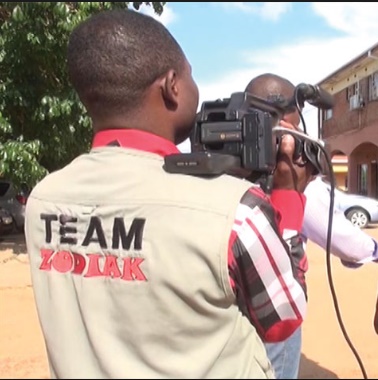
The first centred on reports aired by Zodiak Broadcasting Station (ZBS) and MBC Digital alleging that President Mutharika had departed Malawi – claims that were later established to be inaccurate and subsequently retracted by the broadcasters.
The second involved a pre-recorded broadcast on Luntha Television featuring social commentator Sylvester Namiwa, in which the Council said uncorroborated and speculative claims about the Presidency were aired “without appropriate pushback, contextualization, or editorial editing.”
While reaffirming its commitment to press freedom under Section 36 of Malawi’s Constitution, the Council was unequivocal in reminding media houses that such protections come hand in hand with professional responsibility.
“Press freedom is inextricably linked to professional responsibility, accuracy, and accountability,” the statement said.
The regulator went on to issue a series of pointed directives to broadcasters, rooted in the Media Code of Ethics and the Communications Act of 2016.
It reserved particular criticism for the handling of pre-recorded content, arguing that such programmes give newsrooms ample opportunity to catch problematic claims before broadcast – opportunities the Council suggested had been squandered.
“Broadcasting sensational, reckless, or unverified claims without editorial intervention or demanding proof from guests constitutes a grave failure of gatekeeping,” the statement warned.
Journalists, the Council insisted, cannot simply serve as a platform for guests to air unchecked claims.
“Journalists have a professional duty to challenge assumptions, demand evidence for extraordinary claims, and ensure that opinion or speculation is never presented or left to stand as established fact,” it said.
The regulator also took aim at how breaking news involving matters of national importance is handled, cautioning against reliance on single, unconfirmed sources.
“Relying on single, unconfirmed, or administrative leads without independent multi-source corroboration harms public trust and undermines national peace,” the statement said, while calling on media houses to strengthen internal self-regulation rather than relying solely on statutory bodies such as the Malawi Communications Regulatory Authority (MACRA) to enforce standards.
Setting out its next steps, the Council confirmed it was formally engaging with editorial leadership at ZBS, Luntha TV and MBC to examine their internal verification processes, and would continue working alongside MISA Malawi, MACRA and other media stakeholders to safeguard professional standards across the industry.
The intervention adds to mounting pressure on Malawi’s broadcasters this week, following a separate government statement accusing ZBS and Luntha TV of breaching journalistic ethics, and renewed public debate – fuelled by journalists and commentators alike – over the adequacy of fact-checking in coverage of the Presidency.
Follow and Subscribe Nyasa TV :