

Medicines Tax Shock: Government Silent as New Tariffs Threaten to Push Up Drug Prices
The government is facing mounting questions over its decision to impose new import tariffs on some of Malawi’s most commonly used medicines, with officials maintaining a conspicuous silence even as fears grow that ordinary citizens could soon be forced to pay more for life-saving treatments.
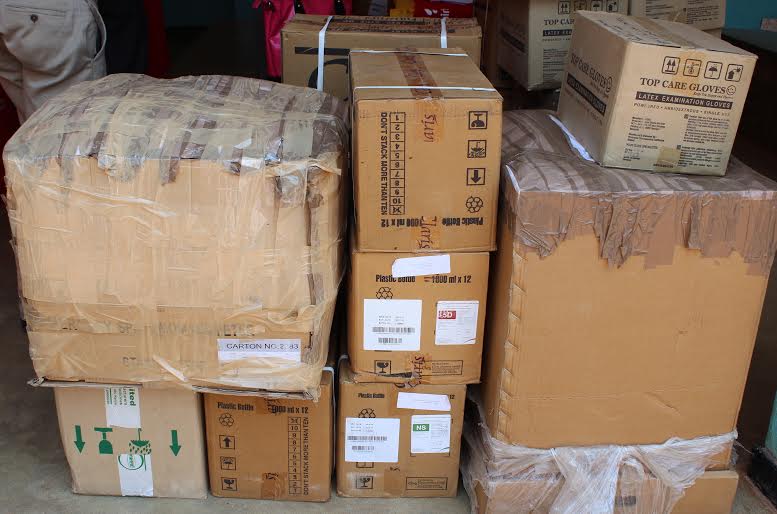
In a move approved by Parliament through the 2026/27 National Budget, government has increased import duties on a range of essential medicines, including malaria drugs, antibiotics and painkillers—medicines relied upon daily by millions of Malawians.
Yet despite the potentially far-reaching consequences for public health, key government officials have declined to explain why the taxes were introduced or how authorities intend to protect consumers from rising medicine costs.
The silence has left health advocates, parliamentarians and consumers searching for answers.
Under the revised tariff structure, imported Amoxicillin 250mg capsules and 125mg dry suspension will now attract a 20 percent import duty, while Artemether-Lumefantrine—the country’s most widely used malaria treatment—as well as Paracetamol, Aspirin and Ibuprofen will face a 25 percent tariff.
The taxes are expected to increase the cost of importing the medicines, raising concerns that the additional burden will ultimately be passed on to patients.
What has attracted particular scrutiny is the absence of a public explanation from the ministries responsible for the policy.
Efforts to obtain clarification from the Ministry of Finance and the Ministry of Health yielded no response.
Finance Ministry spokesperson Williams Banda and Health Principal Secretary Dan Namarika did not respond to questionnaires seeking the rationale behind the tariff increases, leaving critical questions unanswered.
Why were essential medicines targeted?
What economic or health assessments informed the decision?
How much additional revenue does government expect to collect?
And what measures are being put in place to prevent vulnerable households from being priced out of healthcare?
For now, government is not saying.
Even the Pharmacy and Medicines Regulatory Authority (PMRA), the country’s medicines regulator, distanced itself from the decision.
PMRA spokesperson Joseph Josiah confirmed that the authority had received communication regarding the tariff changes but indicated that the regulator was not in a position to explain the policy.
“I have seen the communication by government. PMRA, as a regulator, implements government policies and, as such, we cannot comment on the matter. The right entities to comment would be Ministry of Trade and Finance,” Josiah said.
The lack of official explanation has heightened concerns among healthcare stakeholders who fear the decision could come at a particularly difficult time for many families already struggling with high inflation and rising living costs.
Chairperson of Parliament’s Health Committee Anthony Masamba warned that increasing taxes on essential medicines carries serious implications for access to healthcare.
“Any increase in taxes on essential medicines has implications for access to healthcare, especially for vulnerable groups who already face economic challenges,” Masamba said.
Health rights advocate Maziko Matemba said while the policy may have been designed to encourage local pharmaceutical production, it carries substantial risks if implemented without adequate safeguards.
According to Matemba, Malawi’s pharmaceutical manufacturing sector remains small and currently produces only a fraction of the medicines required by the country.
In theory, making imported medicines more expensive could create opportunities for local manufacturers to expand production and attract investment.
But the benefits, he cautioned, are likely to take years to materialise.
The immediate effect could be felt at pharmacy counters across the country.
“Private pharmacies and clinics rely heavily on imported medicines. The additional costs are likely to be transferred directly to patients, increasing the price of basic treatments such as antibiotics, malaria drugs and painkillers,” Matemba said.
The controversy also comes against the backdrop of chronic underfunding in the health sector.
Malawi currently allocates about 9.2 percent of its national budget to health—well below the 15 percent target agreed under the Abuja Declaration.
Critics argue that imposing new taxes on essential medicines without simultaneously strengthening public health financing risks creating another barrier between patients and treatment.
For many observers, the issue is no longer simply about tariffs.
It is about transparency.
As concern grows over the potential impact on medicine prices, government’s refusal—or failure—to publicly explain the policy is increasingly becoming part of the story.
Until officials provide answers, Malawians are left wondering why medicines used to treat malaria, infections, headaches and other common illnesses have suddenly become targets for higher taxation, and whether the people who can least afford it will end up paying the price.
Follow and Subscribe Nyasa TV :