

Mnangagwa Becomes Mugabe: Zimbabwe Moves to Scrap Elections and Extend Rule to 2030
Zimbabwe’s President Emmerson Mnangagwa has taken a major step toward extending his grip on power, after cabinet approved draft legislation that could allow him to remain in office until at least 2030.
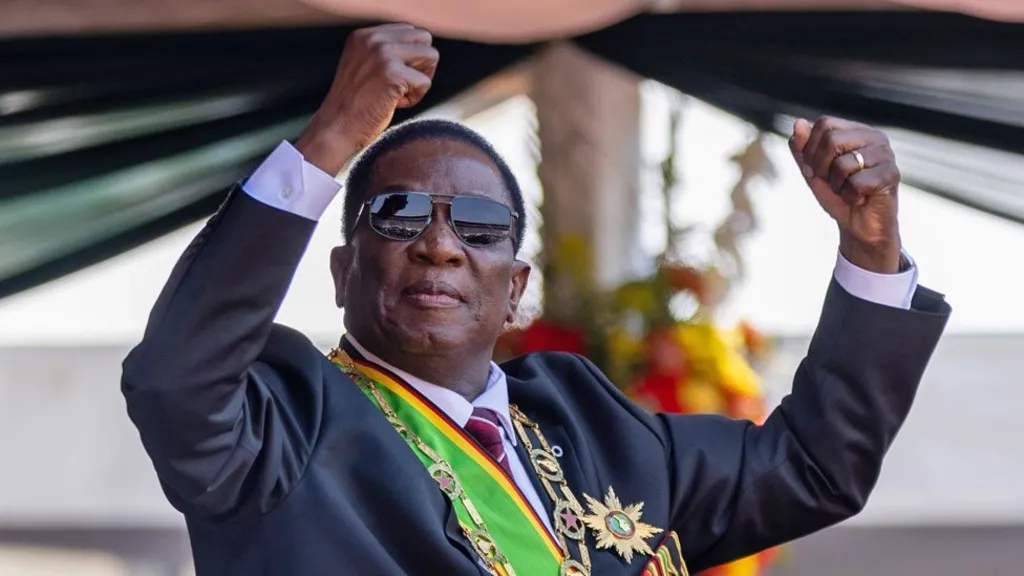
The move has sparked fears that Mnangagwa is following in the authoritarian footsteps of his former boss, Robert Mugabe, who ruled Zimbabwe for 37 years before being removed in a military coup in 2017.
Under the proposed changes, presidents would no longer be elected directly by the people. Instead, they would be chosen by Members of Parliament and serve two seven-year terms, replacing the current system of five-year terms decided by national vote.
If passed, the law would pave the way for Mnangagwa, now 83, to stay in power beyond his final term, which is due to end in 2028.
Justice Minister Ziyambi Ziyambi said the government would hold public consultations before the bill goes to parliament, where the ruling Zanu-PF party controls both chambers.
However, constitutional experts say the move is legally flawed and politically dangerous. They argue that changing presidential term limits requires a national referendum and that the law cannot be used to benefit a sitting president.
Mnangagwa came to power in 2017 after the army removed Mugabe in a coup. He won elections in 2018 and again in 2023, but both victories were disputed by the opposition and international observers.
Nicknamed “the crocodile” for his political survival skills, Mnangagwa once promised a new democratic era after Mugabe’s fall. Instead, critics say he is slowly rebuilding the same system of personalised rule, weakened institutions and intolerance of dissent.
In 2013, Zimbabweans voted overwhelmingly for a new constitution that introduced strict presidential term limits, a direct response to Mugabe’s long and increasingly authoritarian reign.
Yet signs of Mnangagwa’s ambition to stay beyond 2028 began emerging two years ago, when chants of “2030 he will still be the leader” became common at Zanu-PF rallies. Supporters claimed he needed more time to complete his so-called “Agenda 2030” development programme.
Although Mnangagwa publicly dismissed the idea at the time, his government is now pushing a legal framework that makes it possible.
His strongest internal critic, Blessed Geza — a liberation war veteran and senior Zanu-PF figure — died last week in South Africa after being expelled from the party for opposing the 2030 plan.
Before his death, Geza had apologised for supporting Mnangagwa’s rise to power and accused him of corruption, nepotism and betraying the ideals of independence. He was forced into hiding and became a vocal figure on social media, calling for protests and resistance.
In one of his final messages, Geza urged Zimbabweans to continue the “noble war” to remove Mnangagwa and “end the plunder of our country”.
War veterans’ leader Andreas Ethan Mathibela said Geza chose to speak out “against corruption and nepotism that continue to undermine the promise of independence”.
Despite growing criticism, the government insists the proposed law is meant to promote political stability and strengthen governance.
But for many Zimbabweans, the message is clear: a president who once benefited from a coup against dictatorship is now reshaping the system to entrench himself in power — just like the man he replaced.
To critics, Mnangagwa’s 2030 project is not about stability. It is about power without limits. And history suggests Zimbabwe knows exactly where that road leads.
Follow and Subscribe Nyasa TV :