

Mtende, instructor of ill-fated pilot Sambalopa, gives chilling testimony to Chikangawa inquiry
A retired military pilot who personally trained the pilot at the controls of the ill-fated Dornier 228 has delivered damning testimony to the Parliamentary Ad-Hoc Committee investigating the Chikangawa plane crash that killed Vice President Saulos Chilima and eight others, revealing that crew coordination failures have been identified internationally as a leading cause of aviation disasters.
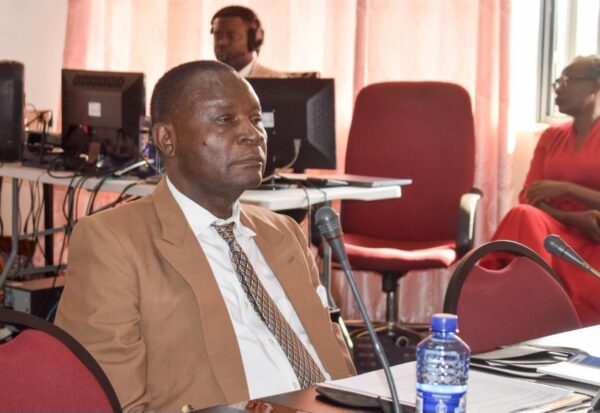
Retired Brigadier General Juvenalis Mtende, who previously piloted the very same Dornier 228 aircraft that crashed on 10 June 2024, told the committee he was one of the first pilots in the Malawi Defence Force (MDF) and had flown a number of former presidents and other senior government officials during his career.
In a striking revelation, Mtende confirmed he had personally trained Colonel Owen Sambalopa, the pilot in command of the doomed aircraft, rating him as an average student at the time but noting he expected Sambalopa’s abilities to improve once he began flying the planes operationally — which he said Sambalopa subsequently did.
Mtende told the committee he had never flown alongside Flora Seleman, the co-pilot on the fatal flight, explaining that she had been working as an air hostess during the period he served with the MDF.
He also confirmed he had already retired by the time of the crash and was not involved in any way in the planning of the ill-fated flight.
Turning to broader aviation safety issues, Mtende told the committee that international studies have attributed more than 70 percent of major aviation accidents to aircrew-related factors, including poor coordination and communication breakdowns in the cockpit.
“When that interaction breaks down, then an error will happen, and the result is an accident,” he told the committee.
He explained that safe flight operations rely on a delicate web of interaction between pilots, air traffic controllers, ground crews, maintenance personnel, flight attendants and other aviation staff — a system that, when it fails at any point, can have catastrophic consequences.
Mtende’s testimony marks the opening session of the committee’s second phase of inquiry, which is specifically focused on Dornier aircraft operations and the decision-making processes of pilots in challenging circumstances.
During this phase, the committee is seeking to gather comparative evidence across several critical areas, including the operational characteristics and handling of Dornier aircraft, the exercise of professional judgment and command responsibility during VIP and VVIP operations, safety considerations and risk assessment during flight, and the practical pressures that can influence a pilot’s decision-making in difficult operational conditions.
The second phase follows the conclusion of an emotionally charged first round of hearings, during which the committee heard directly from grieving family members of the nine people who lost their lives in the crash, alongside testimony from several of their close associates.
That earlier phase also saw the committee hear from officials representing the Ministry of Transport, the Ministry of Defence and the Malawi Defence Force, as well as a number of former senior government officials, including former Secretary to the President and Cabinet, Colleen Zamba.
With the inquiry now moving into more technical territory surrounding the specific aircraft and pilot conduct on the day of the crash, Mtende’s insight as the man who once trained the pilot at the controls is expected to prove crucial as the committee works to establish exactly what went wrong in the moments before the tragedy that claimed the life of Malawi’s Vice President and eight others.
Follow and Subscribe Nyasa TV :