

Mtengo Wakumunda trains young agripreneurs to boost maize value chain
Malawian food-processing and agribusiness firm Mtengo Wakumunda Enterprise is rolling out an Agribusiness Facility for Africa (ABF) Matching Grant Fund project designed to strengthen the maize value chain and improve nutrition outcomes across Malawi.
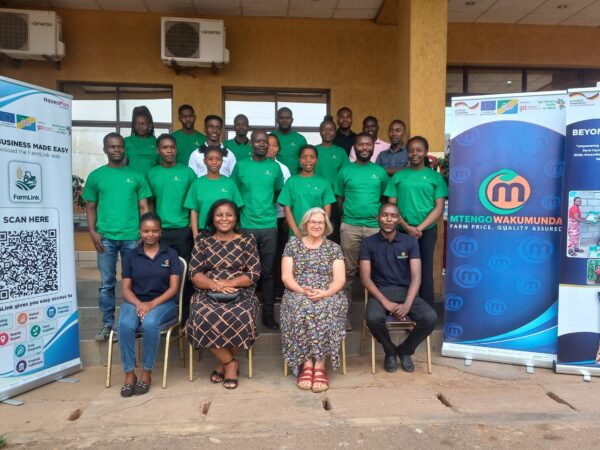
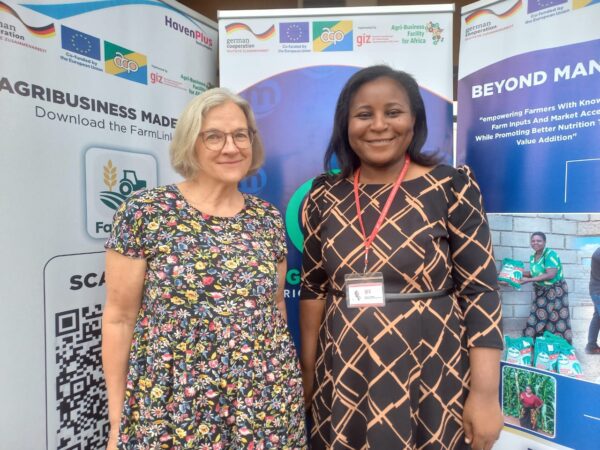
As part of the initiative, the company, working with technical partner Etagrix, is running a two-day National and Regional Trainer of Trainers (ToT) Bootcamp in Lilongwe, bringing together 13 young people with agricultural backgrounds drawn from across the country’s regions.
The training aims to arm participants with knowledge and hands-on skills they can pass on to smallholder farmers, with a focus on agribusiness development, agricultural production and climate-smart farming practices.
Sylvester Chabuka, Founder and Managing Director of Mtengo Wakumunda Enterprise, said the company works closely with smallholder farmers, helping them access agricultural knowledge, climate-smart practices, farm inputs and markets.
“As part of the project’s efforts to improve farmers’ access to information and strengthen agribusiness support, Mtengo Wakumunda has also developed the FarmLink mobile application, which is available for download and provides farmers with practical agricultural and business information in one place,” said Chabuka.
He explained that the initiative seeks to tackle some of the key challenges farmers face in accessing timely agricultural information and business opportunities.
A central pillar of the training is building a network of young agricultural trainers capable of reaching farmers across Malawi and supporting them to boost productivity and strengthen their role in agricultural value chains.
Iris Cordelia Rotzoll, Head of Project at GIZ — an implementing partner on the initiative — said the training gives young people the chance to share knowledge that could ultimately benefit farmers working in value chains such as maize and livestock, adding that the skills gained are expected to help farmers lift both productivity and livelihoods.
“We expect to have farmers all over the country that will be able to apply these techniques that they are learning today and also to practice climate-smart agriculture to protect and make the best out of the soil and to fight climate events such as El Niño and remain resilient and be able to produce something,” said Rotzoll.
Climate-smart agriculture sits at the core of the project, as farmers increasingly grapple with weather-related setbacks threatening agricultural output.
By promoting improved farming practices, the initiative hopes to help farmers build resilience while making the most of their land and resources.
For the young people on the Bootcamp, the training also doubles as a chance to build skills they can carry back into their communities.
Jazzakah Mapasa, a farmer from SCOPE Malawi and one of the participants, said the training would equip them with knowledge they could put to practical use supporting farmers.
“The training will impart knowledge in us that will be translated to farmers in assisting them to build their capacity in agri-business,” said Mapasa.
The initiative forms part of wider efforts to strengthen agricultural value chains, build climate resilience and expand opportunities for smallholder farmers, while contributing to Malawi’s food and nutrition security.