

Mwanamvekha seeks domestic buffer for Malawi welfare ahead of 2030 donor retreat
Malawi has unveiled a domestic financing strategy designed to safeguard its social safety nets, as the southern African nation prepares for a sharp drop in foreign aid.
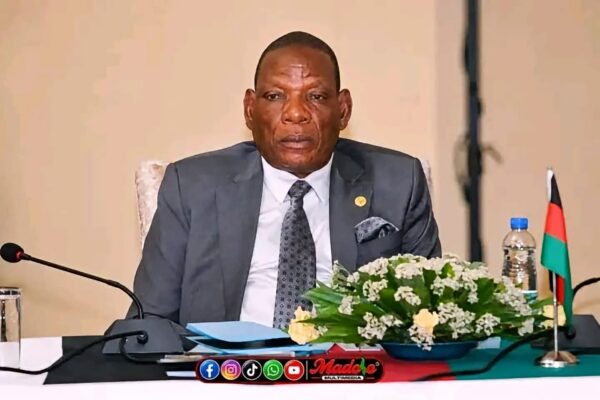
Joseph Mwanamvekha, Minister of Finance, Economic Planning and Decentralisation, launched the Social Protection Financing Strategy to mobilise local revenue and reduce Lilongwe’s dependence on international donors.
The intervention comes amid mounting concern over the long-term viability of state welfare, with key foreign partners expected to scale back funding significantly beyond 2030.
Under the new framework, the government aims to shore up domestic resources by restructuring fuel levies, capturing revenues from the mining sector more effectively, and enforcing stricter pension compliance.
Speaking at the launch, Mr Mwanamvekha framed the initiative as a crucial driver of long-term economic stability rather than a burden on public coffers.
”Social protection is not just a cost, it is an investment in human capital,” Mr Mwanamvekha said.
“Programmes such as social cash transfers, public works, and school meals directly reduce poverty, improve nutrition, and keep children in school. In the long term, these interventions enhance productivity, reduce inequality, and contribute to a more stable and prosperous economy.”
The strategy arrives at a precarious moment for Malawi, where state-led welfare systems—including direct cash disbursements and public works projects—support millions of vulnerable citizens.
Minister of Gender, Children and Social Welfare Mary Navicha emphasised that securing a self-sustaining funding mechanism is critical to preventing a humanitarian shortfall once foreign assistance wanes.
Beyond revenue generation, the framework promises tighter coordination between government ministries and private stakeholders to streamline distribution and curb inefficiencies in program execution.
Follow and Subscribe Nyasa TV :