

Parliament admits it cannot stop DPP from dropping criminal cases anyhow
Parliament has confirmed that it has no constitutional power to stop the Director of Public Prosecutions (DPP) from discontinuing criminal cases, even after finding fault with the reasons for doing so, exposing what legal experts say is a major accountability gap in Malawi’s justice system.
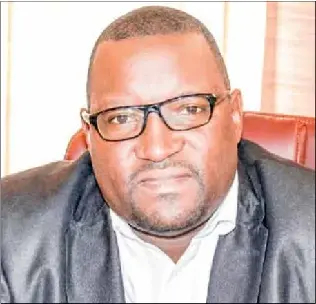
The admission by the chairperson of Parliament’s Legal Affairs Committee, Gilbert Khonyongwa, comes amid growing criticism over the DPP’s recent withdrawal of several high-profile corruption and abuse-of-office cases involving senior public officials and politically connected figures.
Khonyongwa said while the Constitution requires the DPP to submit reasons to Parliament within 10 days of discontinuing a criminal case, the committee’s role ends at scrutinising those reasons and making recommendations.
“The committee has no power to veto or reject a decision to discontinue a case,” he said.
“It enables Parliament, through the committee, to examine whether that discretion has been exercised responsibly, transparently, consistently and in the public interest. The committee may make recommendations, but the ultimate decision whether to accept and implement them remains with the DPP.”
He confirmed that the DPP had submitted explanations for the discontinued cases within the prescribed period and that the committee has completed its review. Its report is expected to be tabled in Parliament next week.
The revelation comes as the Malawi Law Society (MLS) described the growing trend of discontinued prosecutions as “troubling”, warning that the DPP’s constitutional powers are increasingly being perceived as benefiting politically connected individuals.
In a statement signed by chairperson Davis Njobvu and honorary secretary Francis M’mame, the society said many of the affected cases involve politicians aligned with the current administration or former clients of DPP Fostino Maele.
To strengthen accountability, the MLS is proposing constitutional amendments that would empower Parliament’s Legal Affairs Committee to direct the DPP to reinstate criminal cases where the reasons for discontinuance are found to be unreasonable. It also wants citizens with sufficient interest to be allowed to challenge the DPP in court for failing to comply with such directions.
The discontinued prosecutions include cases involving Deputy Minister of Homeland Security Norman Chisale, former Anti-Corruption Bureau director Reyneck Matemba, Democratic Progressive Party regional governor Charles Mchacha, Nkhata Bay Central MP Symon Vuwa Kaunda, former Chief Secretary Lloyd Muhara, UTM president Dalitso Kabambe and Finance Minister Joseph Mwanamvekha.
The Human Rights Defenders Coalition has also criticised the withdrawals, describing them as a setback in the fight against corruption.
In the same statement, the Malawi Law Society questioned delays in implementing key judicial reforms despite the enactment of the Constitution (Amendment) Act, 2025 and the Judicial Service Administration Act, 2025. It also expressed concern over the delay in appointing a substantive Anti-Corruption Bureau director, nearly two months after interviews were conducted.
Minister of Information Shadric Namalomba said he needed more time to respond to the issues raised.
Follow and Subscribe Nyasa TV :