

‘Parliament doesn’t arrest thieves’: Namalomba fires back in corruption row
A fresh chapter has opened in Malawi’s debate over corruption after government spokesman Shadric Namalomba urged anyone with evidence of wrongdoing to present it to the Anti-Corruption Bureau (ACB), in comments widely interpreted as a response to recent remarks by Speaker of Parliament Sameer Suleman.
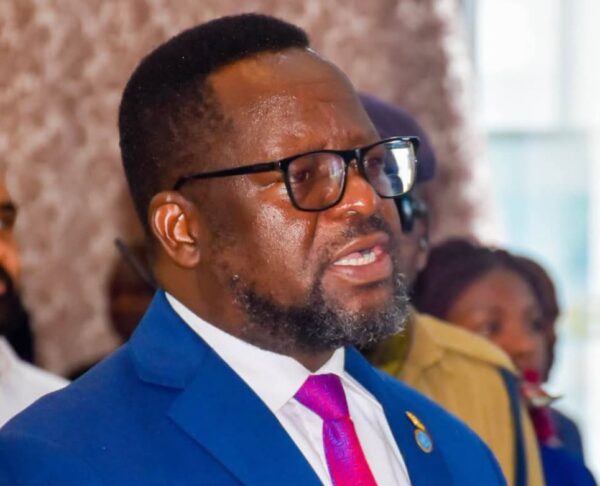
Namalomba argued that corruption is too serious a matter to be reduced to public lamentation or political rhetoric.
Those in possession of evidence, he suggested, should take it to the institutions empowered to investigate and prosecute offenders.
“Parliament does not arrest thieves,” he said, adding that such responsibilities fall to the police and the ACB.
Although Namalomba did not mention Suleman by name, the timing of the intervention has drawn attention.
His comments came as a video of the Speaker addressing corruption circulated widely on social media, prompting renewed discussion about the scale of graft and the effectiveness of efforts to combat it.
In the clip, Suleman expresses concern about what he portrays as a growing culture of impunity, lamenting that some individuals are enriching themselves from public resources while many Malawians continue to struggle economically.
The Speaker’s remarks appear to have resonated with sections of the public, reflecting wider anxieties about governance, public accountability and the management of state resources.
Yet Namalomba’s response points to a different question: whether public condemnation of corruption, however forceful, is meaningful without formal complaints and evidence capable of sustaining investigations.
The exchange, albeit indirect, highlights a recurring tension in Malawi’s anti-corruption discourse.
Public officials frequently acknowledge corruption as a national challenge, but disagreement often emerges over where responsibility lies for confronting it and how concerns should be translated into action.
For some observers, the Speaker’s comments reflected a broader moral and political critique of graft. For others, Namalomba’s intervention served as a reminder that allegations alone are insufficient, and that the country’s investigative institutions remain the proper avenue for pursuing suspected offences.
Whether the government spokesman intended his remarks as a direct rebuttal to the Speaker remains unclear.
What is evident, however, is that the viral circulation of Suleman’s comments has reignited debate about corruption, accountability and the role of public officials in confronting both.
Follow and Subscribe Nyasa TV :