

Parliament Without Clear Majority: Will Independents Define the Balance of Power in the House?
The 16th September General Election has produced a fragmented Parliament where independents, not political parties, are set to become the decisive force in shaping Malawi’s legislative agenda.
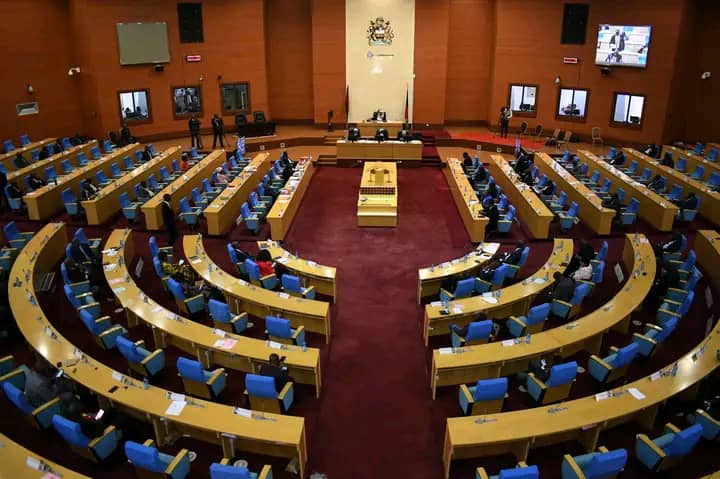
Final results for 224 out of 229 constituencies, declared by the Malawi Electoral Commission (MEC) on Wednesday night, show that the Democratic Progressive Party (DPP) leads with 77 seats. However, the party falls well short of the 115 seats required to secure a simple majority in the 229-member National Assembly.
Independents follow closely with 71 seats, almost matching DPP’s numbers, while the immediate-past governing Malawi Congress Party (MCP) trails with 53 seats. UTM has eight, People’s Party (PP) and Alliance for Democracy (Aford) three each, and minor parties Freedom Party (FP), National Democratic Party (NDP), and People’s Development Party (PDP) have secured one seat apiece.
A Parliament Without a Clear Majority
This outcome creates a Parliament where no single party commands dominance. Instead, independents have emerged as the swing bloc that could tilt decision-making either towards government or the opposition.
With just four constituencies pending by-elections, even if DPP were to win all, it would still fall short of the 115-mark, leaving President-elect Peter Mutharika with little choice but to court independents if his administration is to push through its legislative agenda.
Political analyst Mavuto Bamusi observes that while DPP’s narrow lead gives it some leverage, its inability to govern outright means compromise will define the next five years. “The independents hold the balance of power. If they side with the opposition, DPP will struggle to pass key bills, including budgets. If they side with government, Mutharika will have an easier ride. Either way, their role is central,” he said.
Rise of Independents: A New Political Reality
The surge of independents is one of the most striking outcomes of this election. With 71 seats, they represent nearly one-third of Parliament, a figure that is unprecedented in Malawi’s democratic history. Analysts say this reflects growing voter frustration with political parties, internal party disputes that forced some aspirants to run as independents, and the rise of personalities over party labels at constituency level.
“Independents are no longer fringe players. They are the second-largest grouping after DPP and will be courted by all sides. How they organise themselves—whether they form alliances, negotiate individually, or even create an independent caucus—will determine the political tone of this Parliament,” said governance expert Robert Mkwezalamba.
Implications for Governance
For President-elect Mutharika, building consensus with independents will be crucial in stabilising his administration. Failure to secure their backing could result in legislative gridlock, as opposition parties led by MCP could consolidate and frustrate government business.
The independents, on the other hand, find themselves in a unique bargaining position. Their collective influence gives them leverage to demand development projects, policy concessions, and even leadership positions in parliamentary committees.
Observers note that this situation could either enrich Malawi’s democracy—by making Parliament more representative and deliberative—or breed instability if independents use their power solely for transactional politics.
A Defining Moment
The 2025–2030 Parliament will be remembered for whether independents rise above narrow interests to act as a stabilising force, or whether their fragmentation will plunge the House into unpredictability.
As political parties regroup, all eyes are now on the independents. Will they act as kingmakers, a shadow opposition, or simply scatter their influence across the aisle? Whatever the case, one fact is clear: independents, not the DPP or MCP, will define the tone and direction of this Parliament.
Follow and Subscribe Nyasa TV :