

Roads blocked, tempers boil — Kabaza crackdown turns ugly
Malawi’s long-running Kabaza crisis has exploded into fresh confrontation, with police, councils and Kabaza associations rolling out tough new enforcement measures — and riders responding with roadblocks, protests and fury.
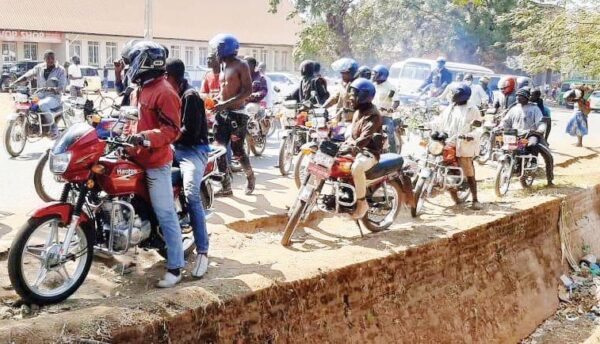
The latest clashes unfolded in Limbe, Blantyre, where Kabaza operators blocked roads during a joint operation by police and the Malawi Coalition of Kabaza Associations (Macoaka). Officers impounded motorcycles, demanded registration, and pushed riders out of central business districts — prompting angry scenes as operators accused authorities of “harsh” tactics.
But Macoaka chairperson Moses Mwalabu was blunt: “They were given enough time.” He insists riders have ignored repeated warnings to register their bikes, undergo training and comply with basic safety rules.
The crackdown comes as Malawi faces a deadly Kabaza epidemic. As far back as 2020, officials admitted the scale of the carnage — 860 road deaths linked to Kabaza operations in a single year, equal to 72 lives lost every month, or two every day. The situation has only worsened.
Between 2022 and 2025, authorities recorded 979 deaths and more than 3,000 serious injuries from motorcycle crashes. Police data show 814 Kabaza accidents in 2025, killing 164 people and injuring 652 — higher than the previous year’s 727 accidents. At the Lilongwe Institute of Orthopaedics and Neurosurgery, over 2,000 motorcycle accident patients are treated annually, with more than 300 surgeries performed.
Despite the carnage, riders continue to flout the rules: no helmets, overloaded bikes, no licences, no registration — and no fear of enforcement.
City councils are now drawing hard lines. In Blantyre, Kabaza riders from Bangwe must stop at Ellow Roundabout, those from Manase at Vanuanda Building, and riders from Ndirande at Clock Tower Roundabout — all barred from entering the CBD. In Lilongwe, police have restricted Kabaza operations after 8pm following a spate of robberies in which seven operators were killed in one week.
Mzuzu City Council spokesperson MacDonald Gondwe says authorities are working with the Directorate of Road Traffic and Safety Services to register motorcycles and tighten safety. Driving schools have been roped in to help reduce training costs for riders.
But critics say Malawi has heard all this before — endless promises, endless grace periods, endless “sensitisation” campaigns — while bodies pile up and families bury loved ones.
What’s needed, they argue, is decisive action: predictable enforcement, affordable licensing, proper training, and strict safety standards for riders and passengers alike.
For now, the battle between regulators and Kabaza operators is only intensifying — and Malawi’s roads remain a frontline.
Follow and Subscribe Nyasa TV :