

TC Cracks Down on Poor Tobacco Handling as Farmers Blamed for Low Prices and Rising Rejections
The Tobacco Commission (TC) has issued a stern warning to tobacco farmers over widespread poor handling practices that continue to damage Malawi’s tobacco quality, depress prices, and increase rejection rates at auction floors.
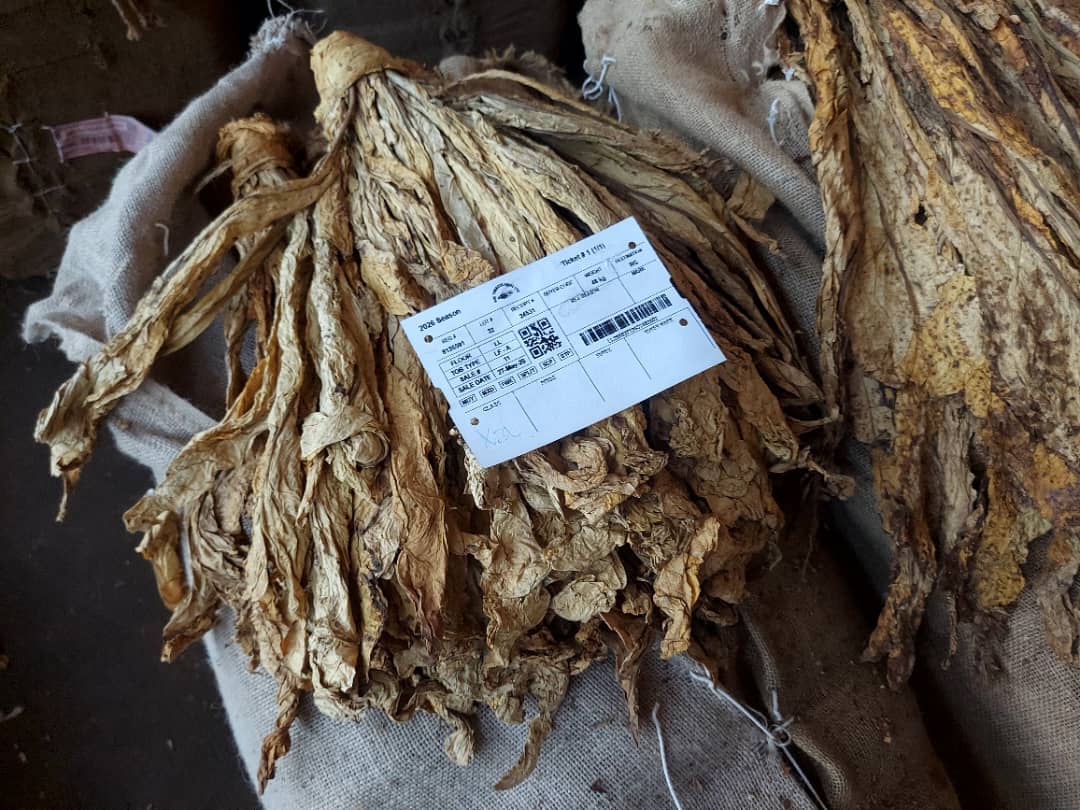
Speaking on Wednesday in Lilongwe during an engagement meeting with the Media Network on Tobacco, TC Public Relations Officer Telephorus Chigwenembe condemned what he described as unprofessional conduct by some farmers, including mixing tobacco grades, adding water to bales to increase weight, and deliberately manipulating leaf quality.
Chigwenembe warned that such practices violate the Tobacco Industry Act of 2019 and are contributing heavily to the growing number of rejected bales and lower market confidence in Malawi’s leaf.
“The law is very clear. Farmers must stop mixing grades, tampering with moisture levels, and engaging in practices that compromise tobacco quality,” he said.
He stressed that Malawi’s tobacco industry can only remain competitive on the global market if farmers improve grading standards, curing methods, and overall professionalism.
The TC spokesperson also provided updates on tobacco sales volumes and revenue generated so far during the marketing season, while urging growers to focus more on quality than quantity.
The concerns come amid growing complaints from farmers over low prices and mounting tobacco rejections at auction floors.
However, governance and economic commentator Dr. Ben Dzolowere sharply criticized some farmers for what he described as self-inflicted losses caused by poor grading and careless handling practices.
“There is no need for farmers to behave like crying babies. They complain that prices are dead and buyers are rejecting tobacco, yet the quality they bring to the market is poor,” Dzolowere said.
He accused some growers of mixing green leaf with ripe leaf, blending dust with stalk, and even concealing mold using wet spots to deceive buyers and graders.
Dzolowere also condemned collusion between some graders and classifiers aimed at unfairly securing better grades.
“Price is determined by the market, but grade is determined by the farmer. You may not control global prices, but you fully control what you bring to the auction floor,” he said.
“Bad grade guarantees a bad price every single time.”
He warned that emotional complaints and blame games will not solve the sector’s problems if farmers continue ignoring quality standards.
“Crying costs farmers more than bad weather. Time spent complaining should be spent sorting tobacco properly, managing moisture, and improving bale consistency. Buyers reward professionalism and consistency — not excuses,” Dzolowere added.
According to the analyst, farmers who present clean, well-cured, and properly graded tobacco gain stronger bargaining power and attract buyer competition.
“When your bales are uniform and clean, you stop begging for prices. You begin receiving competitive offers. Factories do not compete for trash — they compete for quality,” he said.
Dzolowere further noted that international tobacco buyers are driven by profitability and export standards, not sympathy.
“The market will never become sentimental because your production costs are high. Buyers purchase what they can process and sell profitably. If you bring damp, mixed, poorly graded tobacco, you are automatically asking the buyer to pay you less,” he said.
Industry experts now agree that unless farmers improve grading, curing, and handling standards, Malawi will continue experiencing high rejection rates and lower earnings despite strong production volumes.
The Tobacco Commission has since intensified awareness campaigns aimed at educating farmers on proper tobacco preparation, with authorities insisting that improving quality remains the fastest route toward securing better prices and restoring confidence in Malawi’s tobacco industry.
Follow and Subscribe Nyasa TV :