

The MHRC matters. Mutharika says so. Now he must prove it
President Arthur Peter Mutharika’s warm words for the outgoing commissioners of the Malawi Human Rights Commission (MHRC) were, on the surface, a routine gesture of appreciation. But in Malawi’s current political climate, even praise carries weight — and contradiction.
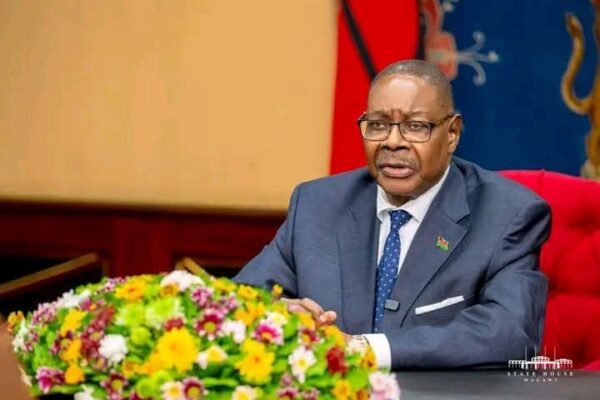
Meeting the commissioners at Kamuzu Palace, Mutharika described the MHRC as “central” to safeguarding freedoms and pledged that his administration would ensure the body is properly resourced.
It was a familiar refrain: the language of constitutional guardianship, spoken at a moment when public trust in institutions is thin and the demands on oversight bodies are rising.
Yet the Commission’s recent history tells a more complicated story.
For years, MHRC has operated on the margins of government priority, its investigations slowed by budget shortfalls, its monitoring work constrained by staff shortages, and its independence tested by political pressure.
It has been one of the few institutions willing to scrutinise state conduct — from policing to prison conditions — often without the financial backing required to sustain that role.
Mutharika’s remarks therefore land in a space between aspiration and reality. They acknowledge the Commission’s importance, but they also highlight the gap between rhetorical support and the structural investment needed to make that support meaningful.
In a country where democratic institutions frequently struggle for autonomy, the MHRC’s ability to act decisively depends less on presidential praise and more on whether funding arrives on time, in full, and without strings attached.
The outgoing commissioners leave office at a moment of heightened scrutiny.
Civil society organisations argue that the Commission’s mandate has outgrown its resources, and that without predictable financing, its authority risks becoming symbolic rather than substantive.
The next cohort of commissioners will inherit both the Commission’s legacy and its constraints.Mutharika’s pledge may signal a shift — or simply echo past assurances that never materialised.
The test will be whether the government moves beyond commendation to concrete support: budgets that match the Commission’s workload, legal protections that reinforce its independence, and political space that allows it to challenge power without fear.
In Malawi’s evolving democratic landscape, the MHRC remains one of the few institutions capable of holding the state to account. Whether it can continue to do so will depend on whether the President’s words become policy — and whether policy becomes practice.
Follow and Subscribe Nyasa TV :