Malawi voted for economic rescue. What it is getting instead is a dangerous stress test of the rule of law, institutional independence, and democratic restraint.
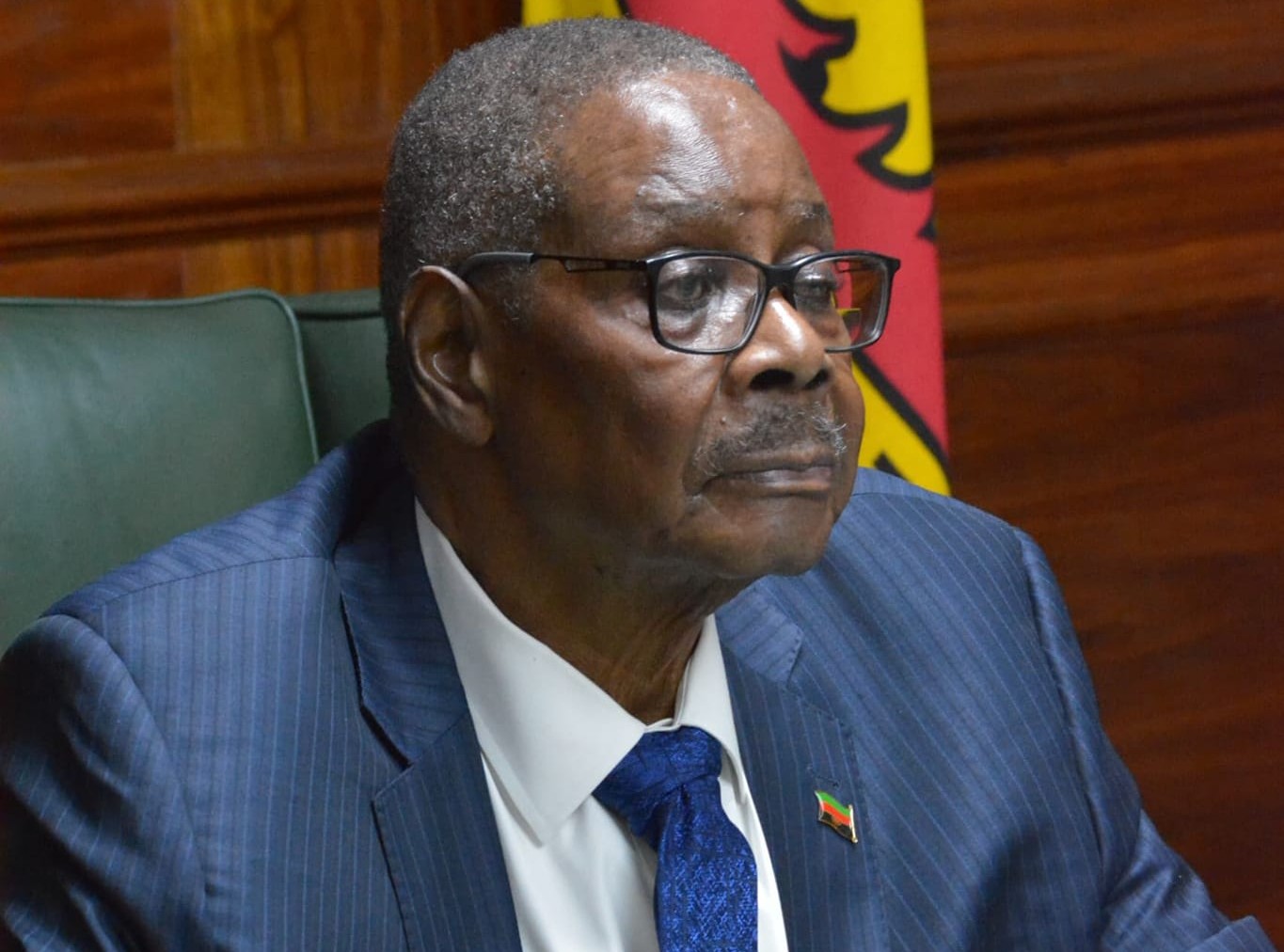
Mutharika: Back in the office
A Comeback Powered by Pain
The year 2025 will indeed be remembered as the year of the great political return. On September 16, Malawians turned out in large numbers—76.4 percent voter participation—and delivered a decisive verdict: a return to familiar leadership amid economic despair.
At 85 years old, Yale-trained law professor Peter Mutharika engineered a dramatic comeback, winning 3,035,249 votes (56.8 percent) and comfortably crossing the constitutional threshold. President Lazarus Chakwera, who secured 1,765,170 votes (33 percent), saw his once-powerful “Promised Land of Canaan” message collapse under the weight of inflation, fiscal instability, and perceived indecision.
Bruised by rising prices and shrinking incomes, Malawians chose what many called the known entity. The mandate was clear: fix the economy, restore discipline, and uphold the rule of law.
But barely months into the new administration, a troubling question has emerged:
Is the DPP restoring governance—or settling scores?
From Restoration to Retaliation?
Within weeks of assuming office, the Mutharika administration launched a sweeping overhaul of State-Owned Enterprises (SOEs). Boards were dissolved en masse. Chief executives were suspended, redeployed, or abruptly reassigned—some even sent to public universities as lecturers.
Among the most visible cases were the suspensions of Malawi Broadcasting Corporation (MBC) Director General George Kasakula and Macra Director General Daud Suleman, both removed under vague and unexplained circumstances.
What shocked many Malawians was not merely the removals—but the manner.
Kasakula was publicly humiliated, forced by overzealous party loyalists to issue a televised apology to Mutharika over past critical commentary made during the pre-election period. For critics, this crossed a red line—from governance into intimidation.
Acting appointments quickly followed, reinforcing fears that loyalty, not competence, was becoming the new currency of public service.
Institutions Under Siege
Governance experts warn that such actions come at a steep cost.
Undule Mwakasungula, a governance specialist, argues that politically driven leadership changes destabilise public institutions, erode institutional memory, and cripple staff morale.
“When leaders believe their survival depends on political loyalty rather than public accountability, institutions rot from within,” he said.
Political analyst Wonderful Mkhutche echoes the concern, calling for Malawi to abandon personality-driven governance in favour of institution-based leadership.
“Boards and CEOs must be appointed through transparent, competitive, and merit-based processes,” he said, adding that legal reforms are urgently needed to shield institutions from executive whims.
Without such safeguards, the promise of reform risks collapsing into a cycle of purge and replacement—every election, every administration.
The Security Sector Flashpoint
If SOE shake-ups raised eyebrows, the attempt to redeploy top security officials set off alarm bells.
The administration moved to “civilianise” the security sector by redeploying five Malawi Defence Force (MDF) generals and five Malawi Police Service (MPS) commissioners into civilian roles. The officers promptly obtained a court injunction, halting the process.
The list of affected officers included senior and respected figures such as Generals Chikunkha Soko and Saiford Kalisha, and Commissioners Christopher Katani and Rhoda Manjolo.
Security expert Master Dicks Mfune warned that the executive may have acted beyond its legal authority, stressing that appointments and discipline within the MDF fall under the MDF Council, not political discretion.
Retired Brigadier General Marcel Chirwa added that such redeployments can only be justified under exceptional circumstances—such as serious security lapses—none of which were publicly cited.
To critics, the move looked less like reform and more like politicisation of the security services, a dangerous path for any democracy.
The Irony of Power
There is a deep irony at play.
Mutharika returned to power on a platform anchored in law, order, and constitutionalism. Yet the early months of his mandate have been dominated by court injunctions, governance disputes, and accusations of executive overreach.
As 2025 draws to a close, the political terrain remains unsettled.
Chakwera, weakened but defiant, insists he will lead the MCP into the 2030 elections, a decision already stirring internal party friction. Meanwhile, Mutharika himself is constitutionally barred from seeking another term, leaving the DPP with an unresolved succession question even as it consolidates power.
A Mandate at Risk
The Malawian voter did not hand the DPP a blank cheque for vengeance. The mandate was for economic recovery, stability, and respect for institutions. If the administration continues to blur the line between reform and retribution, it risks squandering the very trust that returned it to power.
History is unforgiving to governments that mistake victory for entitlement. The real test of the DPP’s return will not be how many officials it replaces—but whether Malawi’s institutions emerge stronger, more independent, and more credible than before.
Anything less would turn the “great return” into a missed democratic moment.