

THE SILENT CRISIS: How Suicide Is Tearing Through Families in Malawi
Death is something people learn to live with. It comes, it goes, and life somehow continues. But suicide? Suicide does not just take a life—it detonates inside families, leaving behind wounds that do not heal, questions that have no answers, and a silence that suffocates.
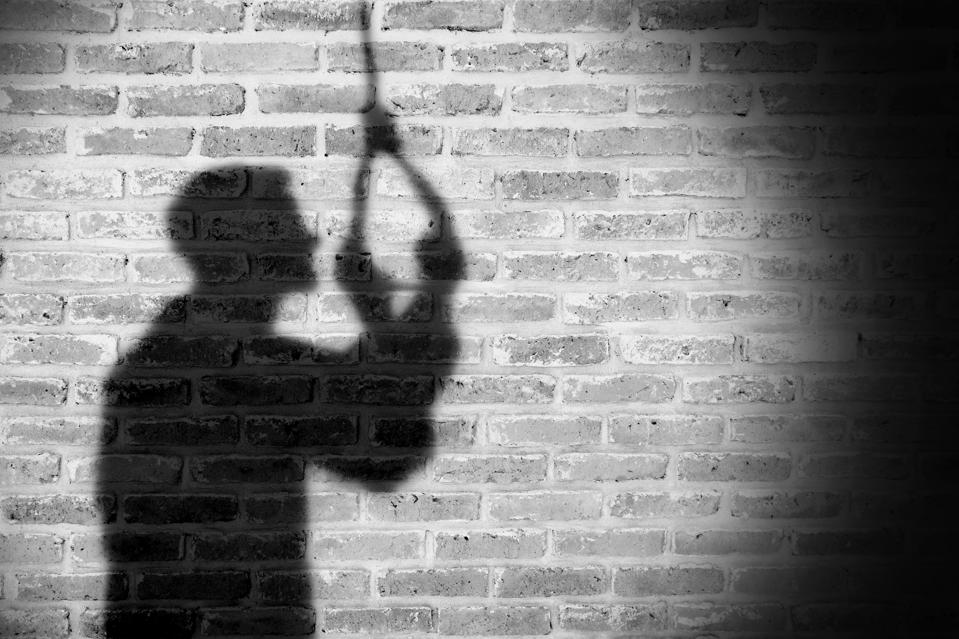
In parts of Malawi, that silence is growing louder.
In Ntcheu District alone, eight men have already died by suicide between January and April this year. Eight lives gone. Eight stories ended. But the real tragedy is what those numbers cannot capture—the families left shattered behind.
One of those stories is that of 26-year-old Owen Macdonald.
He was not a criminal. Not violent. Not a man people feared. Those who knew him describe him as quiet, obedient, hardworking—a man who took care of his elderly grandmother, who depended on him for everything.
But beneath that ordinary life, something was breaking.
On April 7, after yet another argument with his partner, something inside Owen snapped. The quarrels were not new. The tension at home had become routine. That day, his 81-year-old grandmother, already battling high blood pressure, tried to intervene. She pleaded for peace.
Moments later, Owen’s partner walked out.
What happened next is almost too painful to comprehend.
Owen took his four-year-old son, Onesmus, to a nearby market. He bought a deadly pesticide—aluminium phosphide. He mixed it with water.
Then he drank it.
And he made his child drink it too.
Hours later, both were dead.
They were buried in the same grave.
Now, back in the quiet village, the pain lingers like a shadow that refuses to move.
“Who will take care of me now?” his grandmother asks, her voice breaking under the weight of loss. “Owen was everything. At least, he should have left the child. Why did he go like this?”
There is no answer.
At the funeral, friends spoke of warning signs that were ignored, or perhaps not understood. Some recalled how Owen, when drunk, would talk about dying—with his child.
“I wish I had known earlier,” said his uncle. “I would have helped him. This could have been prevented.”
That sentence—this could have been prevented—is echoing across many homes in Malawi.
Authorities confirm that most suicide cases in Ntcheu this year have involved pesticides—cheap, accessible, and deadly. Others have involved hanging. It is a pattern that is becoming disturbingly common.
Police say controlling the spread of such toxic substances is difficult. Borders are porous. Regulation is weak. The chemicals are easy to get—and tragically easy to use.
At the hospital, health workers say help is available. Counselling services exist. Trained professionals are ready to listen.
But many people never walk through those doors.
“People keep things to themselves,” one medical officer explains. And in that silence, pain grows unchecked—until it explodes.
Men, in particular, are not seeking help. They carry burdens quietly—financial pressure, relationship breakdowns, personal struggles—until the weight becomes unbearable.
And when they fall, they fall hard.
Nationally, the numbers are rising. In just six months last year, around 303 people died by suicide. But again, the statistics hide the real damage.
Because every suicide does not just claim one life.
It leaves behind parents who will never understand. Children who grow up without answers. Communities that carry guilt. Families that relive the moment over and over again, asking the same haunting question: What did we miss?
Back in Ntcheu, in Eneya Village, the grave where Owen and his son lie side by side has become a painful symbol of a crisis that Malawi can no longer ignore.
This is not just about mental health.
It is about broken systems. It is about stigma. It is about silence. It is about people crying out for help in ways that are not always heard.
And until that silence is broken—until people are encouraged to speak, to seek help, and to be heard—more lives will be lost.
Quietly. Painfully. Permanently.
Because suicide does not end suffering.
It transfers it—to those left behind.
Follow and Subscribe Nyasa TV :