

‘Tribalism is keeping Malawi poor’: Chithyola’s scathing attack at politics of division
Malawi will remain trapped in a cycle of underdevelopment unless leaders stop rewarding political loyalty, tribal identity and regional affiliation ahead of competence, Opposition Leader Simplex Chithyola-Banda has warned in a stinging critique of the country’s political culture.
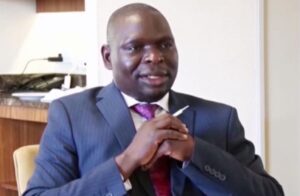
The senior Malawi Congress Party (MCP) figure and former Finance Minister said Malawi’s progress continues to be sabotaged by leaders who judge people not on merit, but on where they come from, who they support politically, which church they attend and the families they belong to.
In a strongly worded Facebook post, Chithyola questioned whether Malawi would ever break free from such entrenched divisions and begin giving opportunities to citizens based on qualifications, skills and ability.
According to Chithyola, the toxic culture has become one of the biggest barriers to national development.
He argued that whenever a new government comes to power, projects initiated by previous administrations are often discarded, not because they are ineffective, but because they are associated with political opponents.
Instead of building on existing foundations, successive governments start afresh, wasting resources and precious time, he said.
The result, Chithyola argued, is that Malawi continues to struggle to make meaningful progress more than 60 years after attaining independence.
He said political rivalry, tribal loyalties and regional interests have repeatedly been placed ahead of national development, leaving the country stuck in a pattern of stagnation.
The opposition leader urged Malawians and political leaders alike to embrace a spirit of unity and cooperation, insisting that genuine development can only be achieved when leaders work together for the common good.
Chithyola said Malawi’s future depends on putting aside regional, ethnic and political differences and ensuring that merit, rather than affiliation, becomes the guiding principle in national affairs.
His remarks are likely to reignite debate over the enduring influence of tribalism and regional politics in Malawi, issues many critics believe continue to shape appointments, opportunities and development priorities across the country.
Follow and Subscribe Nyasa TV :