

Two years of Kalondola: Malawi’s tax revolution delivers billions, but black market fight continues
Two years after the Malawi Revenue Authority (MRA) introduced Kalondola, the country’s digital tax stamp system has transformed excise tax collection, delivering billions in additional revenue and exposing previously hidden gaps in the market.
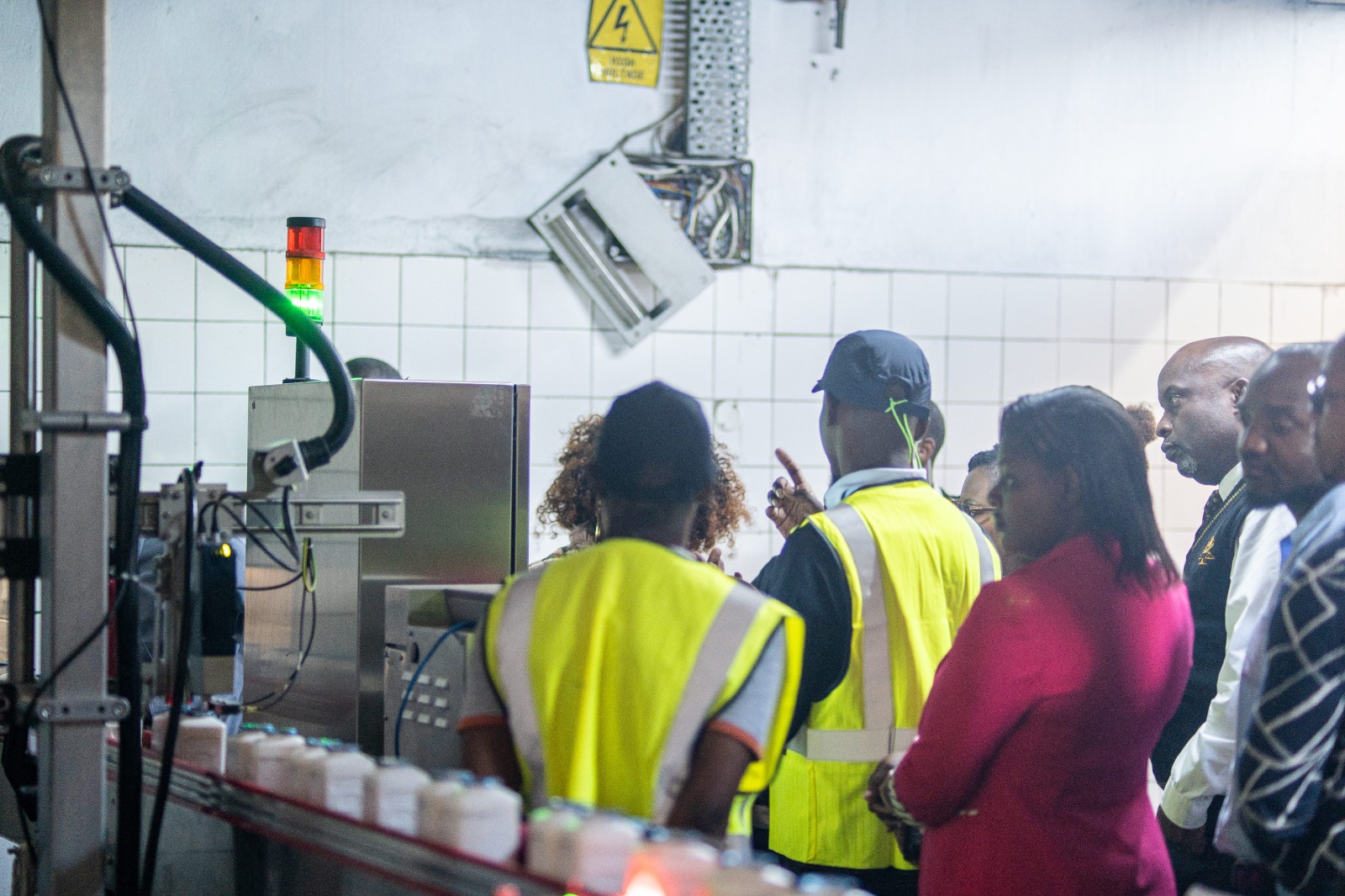
But while the technology has strengthened government’s ability to track products and collect taxes, it has not completely defeated counterfeit goods and illicit trade — leaving enforcement as the next major test.
Kalondola was introduced to replace a largely declaration-based tax system where authorities depended on manufacturers to report production figures.
The digital stamps now allow the MRA to monitor products from factories to retail outlets, creating greater transparency in the supply chain.
The impact has been significant.
In 2025, domestic excise revenue reached MK202 billion, surpassing targets, while the MRA has set an ambitious MK273 billion target for 2026 — a 37 percent increase.
MRA Head of Corporate Affairs Wilma Chalulu says the system has changed taxpayer behaviour by closing loopholes that allowed under-declaration of production.
She says excise payments from alcoholic beverage manufacturers have increased by between 500 and 600 percent since the introduction of digital stamps, reflecting improved compliance and revenue capture.
“Behind the collections sits a change in behaviour,” Chalulu says.
For legitimate businesses, Kalondola has also become a shield against unfair competition from untaxed and counterfeit products.
Castel Malawi Managing Director Thomas Reynaud says digital stamps improve revenue accuracy while protecting consumers from potentially harmful fake products.
“Digital tax stamps enable accurate revenue capture that can be reinvested in essential services,” he says.
The system has also strengthened border controls through integration with customs systems, making it harder for untaxed goods to enter the country. The number of registered manufacturers has reportedly more than doubled since its introduction.
However, the success story is not without challenges.
Tax evaders have adapted, with reports of counterfeit stamps emerging as criminals attempt to bypass the system.
The MRA insists this does not undermine Kalondola’s effectiveness, arguing that even secure government documents such as passports are forged.
Chalulu says the key measure of success is whether authorities can detect fake stamps, trace offenders and build evidence for prosecution.
At retail level, awareness remains a challenge. Christopher Luhanga, a trader at Songwe border, says while the system has improved identification of genuine products, many consumers still do not check whether goods carry authentic tax stamps.
“We need more awareness,” he says.
Economic analyst Dumbani Mzale says technology alone cannot eliminate tax evasion unless backed by strong enforcement.
According to him, Kalondola has provided government with the tools to control the market, but its long-term success depends on consistent inspections, prosecution of offenders and strict implementation.
As Kalondola enters its third year, the verdict is mixed but clear: the system has delivered a major breakthrough in revenue collection and tax visibility.
The bigger challenge now is ensuring that every product on Malawi’s shelves is genuine, safe and contributing its fair share to national development.
Kalondola has made the invisible visible. The battle to eliminate illicit trade, however, is far from over.